Generator Installation and Connection in Beverly, MA
Generator Installation and Connection in Beverly
A lot of Beverly’s housing stock went up before World War II, on streets close enough to the water that the power lines take a beating every time a storm rolls off the Atlantic. Add central air, an EV, and a couple of space heaters to a service that was designed for a refrigerator and a radio, and it does not take much wind to knock the whole house dark for a day or two.
Generator installation is the fix that actually holds up over time, and it is one of the jobs where doing it right the first time matters more than almost anything else we touch. This page covers what that job looks like in Beverly specifically, what it costs, and what Massachusetts requires before we ever turn the key.
Why Beverly Homes Need This
Beverly sits right on the coast, and coastal exposure means more wind events, more downed limbs on the lines, and more multi-day outages than towns further inland get. That is the demand driver, plain and simple. Nobody calls about a generator on a calm July afternoon. They call in the dark, after the second outage in a month, wondering why it always seems to happen here.
The other half of the story is what is already in the walls. A meaningful share of Beverly’s homes predate 1940, and many were converted from single family to two or three family use somewhere along the way. That means we regularly find 60 amp or undersized 100 amp services, knob and tube segments still live in older sections of the wiring, and in some of the multi-families, panels from manufacturers like Federal Pacific or Zinsco that have known breaker reliability issues. None of that is a reason to panic. It is a reason to have the panel and service size evaluated honestly before a generator gets tied into it, because the generator connection is only as good as the electrical system it feeds into.
What the Work Involves
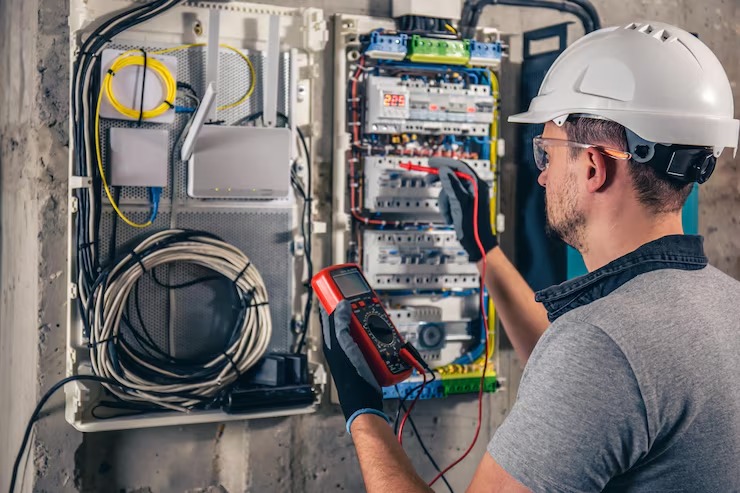
There are two main paths, and which one makes sense depends on the house. A portable generator setup uses a manual transfer switch, a smaller panel installed next to your main panel that lets you pick which circuits run off the generator when the power drops. A whole-house standby unit sits outside on a pad, runs on natural gas or propane, and switches over automatically through an automatic transfer switch, usually within seconds of an outage being detected.
Either way, Brandon has to shut off power to the house before tying into the electrical panel, so plan on the power being down for a few hours during the connection work itself, not the whole installation. The utility is responsible for anything on their side of the meter, including any service upgrade if your existing service is too small to support the new load. Brandon handles everything from the meter inward: the transfer switch, the wiring to the generator location, the gas or propane line coordination if it’s a standby unit, and the load calculation that determines what the generator needs to be sized to run.
For a standby unit, that also means correct clearances from windows and doors per the manufacturer’s spec, a concrete or composite pad, and in most cases a dedicated gas line sized by BTU load, not guesswork.
What It Costs
A manual transfer switch with a portable generator hookup generally runs {PRICE_LOW} to {PRICE_HIGH} for the electrical connection alone, not counting the generator itself. A whole-house automatic standby system, including the transfer switch, wiring, and coordination with a gas fitter, lands at the higher end of that range and above it depending on the size of the unit and how far the generator location is from the panel.
What moves the number in Beverly specifically: whether your existing service needs to be upgraded to handle the new load, how far the run is from the meter to where the generator will sit, and whether the house has an older panel that needs to be addressed as part of the same job rather than left as a liability behind a brand new generator.
How Long It Takes
A manual transfer switch installation is usually a single day. A whole-house standby system typically takes two to three days when you count the electrical connection, the pad and gas line work, and the manufacturer’s required start-up and testing before the inspection is scheduled. Weather and permit scheduling can add time on either end, which is worth factoring in if you are trying to have a system in place before storm season.
Permits and Inspection
Generator installation is permitted work in Massachusetts, full stop. Any transfer switch tying into your electrical panel requires an electrical permit, and standby systems typically require a plumbing or gas permit as well if a new gas line is being run. The local inspector signs off on the transfer switch wiring, the panel connection, and the clearances around the unit before it’s approved for use.
That inspection step is exactly what separates a licensed job from a handyman installing a generator off a YouTube video. An unpermitted transfer switch can backfeed the utility line and put repair crews at risk, which is why licensed electricians take this part seriously and inspectors check for it specifically.
The [EXTERNAL LINK: Massachusetts Electrical Code reference on Mass.gov, cited for the permitting and inspection requirements described above] covers the specific requirements for transfer switch installation if you want to see the code language directly.
Common Questions
Can I install a generator myself and just have it inspected after?
No. The permit has to be pulled before the work starts, not after. An uninspected transfer switch can backfeed the utility lines, which is a serious safety hazard for line workers, and it's one of the reasons this work is regulated.
Do I need a whole-house standby generator, or is a portable enough?
It depends on what you want to keep running. A portable with a manual transfer switch can cover your furnace, refrigerator, and a few key circuits. A whole-house standby unit switches on automatically and can cover the whole panel, which matters more if outages regularly stretch past a day here.
Will my old panel need to be replaced before a generator can be installed?
Sometimes. If your panel is undersized, or it's a Federal Pacific or Zinsco panel with known breaker issues, Brandon will flag that during the evaluation. It's better to deal with it in the same job than to install a generator on top of a panel that isn't reliable.
How long will my power actually be off during installation?
Just a few hours, during the panel connection itself. It's not the multi-day process people sometimes expect. The rest of the timeline is pad prep, gas line coordination for standby units, and scheduling the inspection.
Does the generator run on natural gas or propane?
Both are options for standby units, and which one makes sense depends on what's already available at the house. Portable units typically run on gasoline. Brandon will go over sizing and fuel type based on what your home has access to.
Reach Out for Generator Installation
If you’re in Beverly and tired of losing power every time a storm comes through the harbor, call {PHONE} and we’ll get a time on the calendar to look at your panel and talk through options. We work across Beverly and the rest of the North Shore, and every generator connection we install gets pulled and inspected the right way, not the fast way.
Contact information
Talk to Brandon
Brandon is the licensed electrician at Belfiore, and generator work is one of the jobs he gets asked about most this time of year. He will walk the panel with you, do the load calculation, and tell you straight whether your existing service can handle a generator connection or whether an upgrade needs to happen first. No pressure toward the biggest unit on the lot. Just what the house actually needs.