Electrical Troubleshooting and Repair in Swampscott, MA
A lot of Swampscott’s housing stock went up between the 1890s and the 1930s, back when a house ran on a 30 or 60 amp service and maybe eight circuits total. Now that same panel is expected to run central air, a range, a couple of space heaters in the cold months, and whatever the last three homeowners added without ever touching the main disconnect. That gap between what the house was built to handle and what it actually carries today is where most of our service calls start.
Why Swampscott Homes Need This
Swampscott is one of the towns where we see genuinely old electrical systems still doing daily work. Knob and tube wiring shows up in attics and wall cavities that nobody has opened since the Eisenhower administration. Cloth-insulated cable, brittle at the joints, is common in houses that had a partial rewire decades ago but never a full one. We still find 60 amp services on homes that have since added central air or a hot tub, and we run into Federal Pacific and Zinsco panels often enough that checking the panel brand is one of the first things Brandon does on an older property.
The coastal air adds its own wear. Anything mounted outside – meter bases, outdoor outlets, disconnects near the water side of a house – corrodes faster here than it does a few miles inland. Salt gets into connections and lugs and turns a routine repair into a full replacement of the affected section. And because outages along the shore tend to run longer when a storm rolls through, generator interest in Swampscott is real. We size and wire standby and portable setups often enough that it is a normal part of the conversation, not an upsell.
Tight lots and narrow driveways are the other local wrinkle. A lot of these older homes sit close together with limited access for a utility truck or a panel swap that needs equipment staged in the yard. That affects scheduling and sometimes affects cost, and we tell you that upfront rather than after the fact.
What the Work Involves
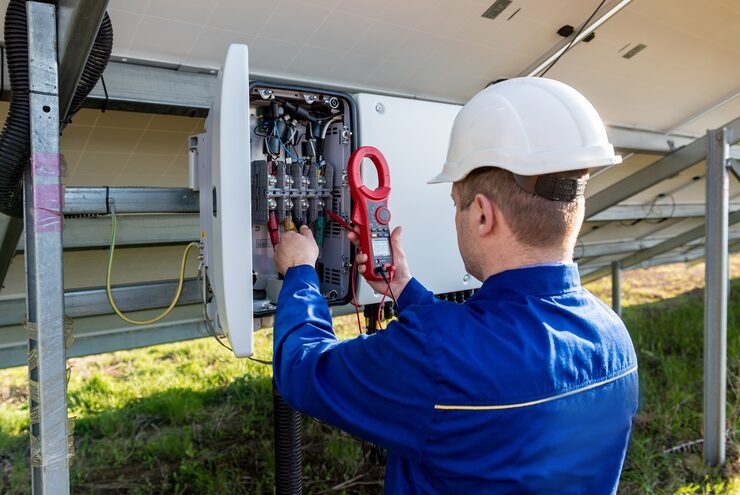
Troubleshooting starts with a walkthrough of the panel and a check of what is actually drawing power versus what the labels say. Breakers that trip under normal load, warm outlets, flickering lights that get worse when the dryer kicks on – these all point to something specific, and Brandon traces it rather than guessing. Common finds include loose neutral connections, undersized wire for the load it is carrying, and aluminum branch wiring from the 1960s and 70s that was never properly terminated.
For anything involving the panel itself, the utility has to pull the meter or the main fuse before we can work inside it safely. That part is coordinated with the utility and usually means the power is down for a few hours, not all day. Once we are inside, we check breaker sizing against wire gauge, verify grounding and bonding meet current code, and replace anything that is failing or undersized. Smaller repairs – a bad outlet, a dead circuit, a failing switch – usually mean power is down only to that one circuit while we work, and the rest of the house stays live.
What It Costs
A single diagnosed repair, like a bad outlet or a tripped circuit traced to a loose connection, typically runs {PRICE_LOW} to {PRICE_HIGH}. Cost moves with what we find once the panel is open: whether it’s a straightforward fix or a sign of broader problems like knob and tube feeding the circuit, a Federal Pacific panel that needs replacing outright, or wiring that doesn’t meet current code and has to be brought up before we can sign off. We give you the number before any work starts, not after.
How Long It Takes
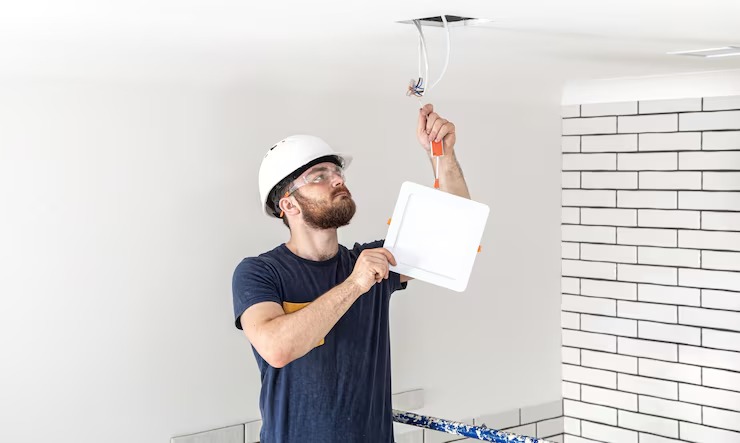
Most single-issue troubleshooting calls take one visit, usually two to four hours depending on how much tracing is involved. If the fix turns into something bigger – say we find aluminum wiring that needs a full circuit replaced, or a panel that’s not safe to keep patching – we’ll tell you on the spot and schedule that as its own job rather than stretching out the visit you booked.
Permits and Inspection
Electrical repair work in Massachusetts is permitted and inspected, and that is not a formality we skip for a small job. Brandon pulls the permit, the town inspector signs off on the finished work, and you get a paper trail that shows the repair was done to code. That matters more than people think when you go to sell the house or file an insurance claim after storm damage. It’s also the clearest line between a licensed electrician and someone working off a truck with no license number to check. [EXTERNAL LINK: Massachusetts Electrical Code (527 CMR 12) reference, for homeowners who want to see the actual standard work is inspected against]
Common Questions
Is my house too old for a simple repair, or does it need a full rewire?
It depends what's behind the wall. If the circuit in question is copper and just has a loose connection or failed device, that's a simple repair. If it's knob and tube or brittle cloth wiring, we'll usually recommend replacing that section rather than patching it, since patching old wiring just moves the problem down the line.
Do you work with Federal Pacific or Zinsco panels?
We'll troubleshoot around them, but both brands have a documented history of breakers that don't trip when they should. If we find one in your Swampscott home, we'll flag it and explain your options rather than just patching the circuit and leaving the panel in place.
Can you size a generator for my house?
Yes. Given how often the shore loses power in a storm, this comes up a lot in Swampscott. We look at your panel, your must-run circuits, and your service size before recommending anything, whether that's a portable setup with a manual transfer switch or a standby unit.
Will the power be out during the repair?
For panel work, yes, for a few hours while the utility pulls the meter and we work inside safely. For a single circuit repair, only that circuit goes down and the rest of your house stays powered.
Do I need a permit for an outlet or switch repair?
Most electrical repair work in Massachusetts requires a permit and a final inspection, including circuit and device-level repairs, not just panel replacements. We handle the permit filing as part of the job.
Reach Out for Electrical Repair
If something in your house is tripping, flickering, or just feels off, call {PHONE} and describe what you’re seeing. We’ll get a time on the books and Brandon will tell you what he finds before he touches anything you didn’t ask for.
Contact information
Talk to Brandon
Brandon left union work to run the electrical side of this company because he wanted to deal directly with homeowners instead of a dispatcher. On a Swampscott call that usually means he’s the one who walks your basement, opens your panel, and tells you straight what’s wrong and what your real options are, not just the most expensive one.