Electrical Troubleshooting and Repair in Rowley, MA
A lot of Rowley homes started life as farmhouses or capes on well and septic, built decades before central air, electric ranges, or a garage full of tools ever entered the picture. The wiring underneath the walls is often original or close to it, sized for a house that never asked much of it. Now you’re running a well pump, a mini-split, maybe a hot tub off the same panel that used to power a few lamps and a radio, and something is finally giving out.
Why Rowley Homes Need This
Rowley sits in the part of the North Shore where old housing stock is the rule, not the exception. We still find knob and tube wiring tucked into attics and behind plaster in houses that predate 1950, cloth-insulated copper that’s brittle at every junction box, and 60 amp services that were standard once but can’t legally or safely carry a modern electric load today. Some of these homes still have a Federal Pacific Stab-Lok panel or an old Zinsco panel in the basement, both known for breakers that don’t trip when they should. That’s not a scare tactic, it’s a documented failure mode, and it’s one of the first things Brandon checks on an older Rowley property.
Well pumps add another wrinkle here. A lot of Rowley properties are on private wells, and a failing pressure switch, a tripped breaker that keeps tripping, or a pump that’s drawing more amperage than it used to are electrical calls as much as plumbing ones. And because Rowley has its share of longer, rural power outages compared to denser parts of the North Shore, we get the same generator interlock and transfer switch questions here that we hear out in the estate towns. If you’re already rewiring a panel, it’s worth having that conversation at the same time.
What the Work Involves
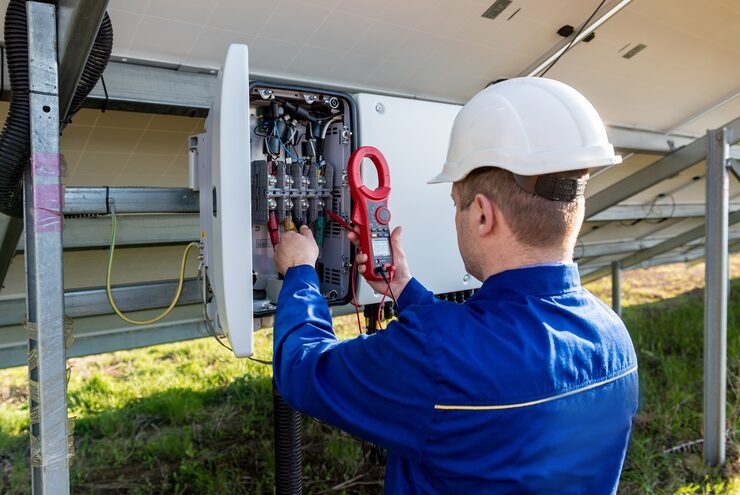
Most troubleshooting calls start the same way: something isn’t working right and nobody’s sure why. A breaker trips under no obvious load. An outlet is dead in one room but not the next. Lights dim when the well pump kicks on. Brandon traces it back with a meter, not guesswork, checking voltage drop, load balance across the panel, and the condition of the wiring itself before touching anything.
Repairs range from swapping a failed breaker or replacing a scorched outlet to re-terminating a loose connection at the panel that’s been arcing quietly for months. On some jobs the power has to come off the affected circuit only, and you’ll have lights and other outlets the whole time. On bigger repairs, like panel work, the utility has to pull the meter or the main disconnect has to be thrown, and the house goes dark for that portion of the day. Brandon tells you which kind of job you’re looking at before he starts, not after.
What It Costs
A single-circuit repair, like a bad outlet, a failed breaker, or a loose connection, usually runs {PRICE_LOW} to {PRICE_HIGH}. Bigger jobs cost more, and the things that move the number are how much of the house has to be opened up to trace the fault, whether the wiring is knob and tube or cloth-insulated and needs to be replaced rather than repaired, and whether the panel itself is the actual problem. Brandon gives you a number before work starts, not an estimate that turns into a surprise once the wall is open.
How Long It Takes
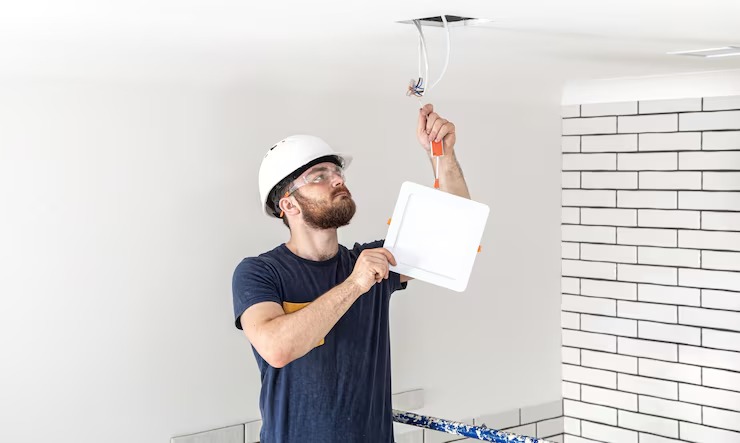
A straightforward troubleshooting call, tracing a dead outlet or a nuisance-tripping breaker, is usually a same-visit fix, an hour or two once the fault is located. Finding the fault can take longer than fixing it in an old house, especially where wiring runs through balloon-framed walls or has been added onto by more than one owner over the years. If the repair uncovers knob and tube that needs to come out of a wall, or a panel that’s beyond safe repair, that’s a separate, larger job and Brandon will scope it out and schedule it as its own visit.
Permits and Inspection
Electrical repair work in Massachusetts is permitted and inspected, and that’s true whether it’s a full panel swap or a single circuit repair that involves opening up wiring. Brandon pulls the permit, the local inspector signs off on the finished work, and you get a record that the repair was done to code. That paperwork matters if you ever sell the house or file an insurance claim after an electrical incident. It’s also the clearest difference between a licensed electrician and someone working out of a truck with no license number to put on the permit application in the first place.
Common Questions
Is it normal for an old Rowley house to still have a 60 amp electrical service?
It's common, but it's not enough for most modern households. A 60 amp service was standard decades ago, before central air, electric ranges, and multiple large appliances were the norm. If you're adding a well pump, mini-split, or EV charger, a 60 amp panel usually can't carry it safely.
What is knob and tube wiring, and do I need to replace it?
Knob and tube is an early wiring method using ceramic knobs and tubes to run individual conductors through framing, with no ground wire. It's not automatically dangerous if it's untouched and in good condition, but it can't be extended, buried in insulation, or connected to modern devices safely. Most insurers and inspectors want it replaced during renovation work.
Why did my breaker not trip when it should have?
That's a known issue with certain older panel brands, including Federal Pacific Stab-Lok and Zinsco panels, both common in North Shore homes of a certain age. Their breakers can fail to trip under fault conditions, which is a fire risk. If you have one of these panels, it's worth having it evaluated.
Do I need a permit for a simple electrical repair?
Yes. Massachusetts requires a permit and inspection for electrical work, including circuit repairs, not just full panel replacements. Brandon pulls the permit as part of the job.
How long will my power be off during a repair?
For a single circuit repair, only that circuit is affected and it's usually back on within an hour or two. For panel-level work, the whole house loses power for part of the day while the utility or Brandon handles the main disconnect.
Reach Out for Electrical Repair
Call {PHONE} to get on Brandon’s schedule for electrical troubleshooting and repair in Rowley. Describe what’s happening, tripping breakers, dead outlets, flickering lights, and he’ll walk you through what to expect before anyone shows up at the house.
Contact information
Talk to Brandon
Brandon left union electrical work to run the electrical side of his family’s plumbing and heating company, and old housing stock like Rowley’s is exactly the kind of work he does most often on the North Shore. If something’s tripping, flickering, or just not sitting right, tell him what you’re seeing. He can usually tell you over the phone whether it sounds like a simple fix or something that needs a closer look at the panel.