Electrical Troubleshooting and Repair in Lynn, MA
A lot of Lynn’s housing stock went up when a 60 amp fuse panel was considered plenty for a family. Now those same three-deckers are running window AC units, electric ranges, and three tenants’ worth of chargers and space heaters off wiring that was never sized for it. When a breaker trips for no obvious reason, or a bedroom outlet just goes dead, that is not bad luck. It is old infrastructure meeting modern load.
Why Lynn Homes Need This
Lynn’s triple-deckers and early-1900s single families are some of the oldest housing on the North Shore, and it shows in the wiring. We still run into knob-and-tube in attics and wall cavities that were never fully removed during past renovations. Cloth-insulated wiring from the 1940s and 50s is common in homes that haven’t been rewired since. A good share of these houses still carry a 60 amp main service, which was standard decades ago and is undersized for almost any household today.
Lynn also has its share of Federal Pacific Stab-Lok and Zinsco panels still in service. Both brands have documented breaker failures where the breaker doesn’t trip under an overload the way it’s supposed to. That’s not a scare tactic, it’s a known issue in the electrical trade, and it’s one of the first things Brandon checks when he opens a panel in a house of this age. If you’ve got one of these panels, replacing it isn’t optional maintenance, it’s a real safety fix.
Add in the density here. A lot of Lynn properties are two- and three-family, which means shared services, subpanels feeding each unit, and wiring that’s been patched by more than one owner over the decades. Troubleshooting one unit’s problem often means understanding how the whole building’s electrical system was laid out, and whether it still matches what’s actually installed.
What the Work Involves
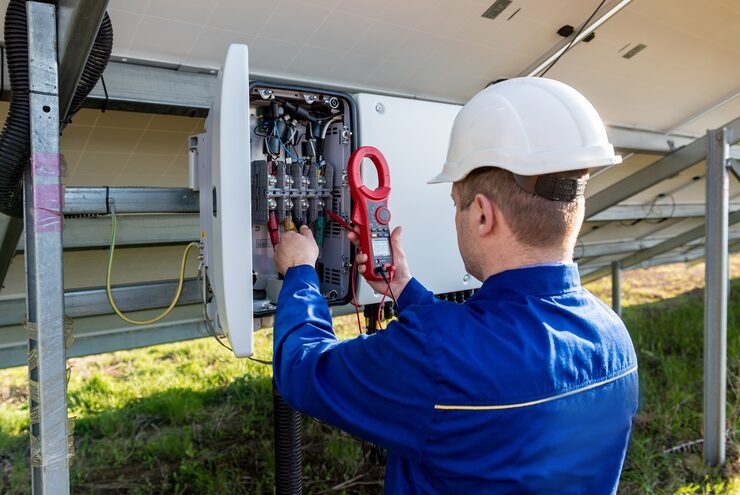
Troubleshooting starts with the complaint: a dead outlet, a breaker that trips under normal use, flickering lights, a burning smell, warm switch plates. Brandon traces the circuit from the panel out, checking connections, load, and wire condition along the way. Some of this can be done live with the circuit isolated at the breaker. Anything involving the panel itself, or a wire that’s shorted or grounded out, means killing power to that circuit, or in some cases the whole panel, while the fix is made.
If the problem is at the meter or the service drop coming into the house, that’s the utility’s territory, not ours. National Grid handles the wire from the pole to your meter. Everything from the meter socket inward, the panel, the breakers, the branch circuits, is the electrician’s responsibility. Part of a proper troubleshooting visit is figuring out which side of that line the fault is on.
Depending on what’s found, the fix might be as small as replacing a burned outlet or as involved as rerunning a circuit with new wire and a new breaker sized to match. If the panel itself is the underlying issue, whether it’s a Federal Pacific unit, a maxed-out 60 amp service, or just too few slots for the loads in the house, that’s a separate conversation about a panel upgrade, not a same-day repair.
What It Costs
A straightforward diagnostic and single-circuit repair, like a bad outlet, a loose connection, or a failed switch, usually runs in the {PRICE_LOW} to {PRICE_HIGH} range. What moves that number is how long the fault takes to find, whether it’s in an accessible spot like a basement or attic versus buried in a finished wall, and whether the fix is a swap-out or a full re-run of wire. Knob-and-tube repairs and anything involving an aging Federal Pacific or Zinsco panel tend to land at the higher end, because the safe fix is rarely a quick one.
We give you a number before any work starts, based on what Brandon actually finds when he opens the panel or traces the circuit, not a phone quote. If troubleshooting turns up a bigger issue, like a service that’s undersized for the house, we’ll tell you plainly and let you decide whether to fix the immediate problem now or plan the bigger upgrade.
How Long It Takes
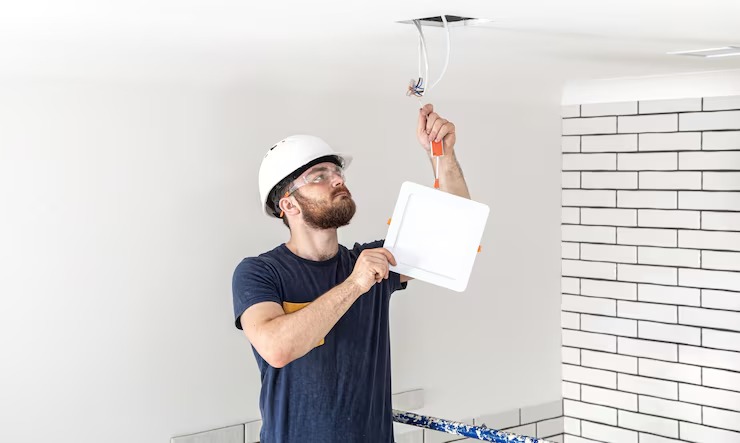
Most single-circuit troubleshooting and repair calls in Lynn wrap up in one visit, typically two to four hours depending on how hidden the fault is. Power to the affected circuit is off for most of that window, and if the fix requires shutting down the main panel, the whole house loses power for a shorter stretch, usually under an hour, while that specific work happens. If the visit uncovers a bad panel or a service-size problem that needs a permit and a scheduled outage with the utility, that becomes a separate, planned job rather than something finished the same afternoon.
Permits and Inspection
Electrical work in Massachusetts is regulated for a reason, and simple outlet or switch swaps aside, most repair work that touches wiring or the panel needs a permit pulled with the City of Lynn and a follow-up inspection by the local electrical inspector. Brandon is a licensed electrician, which means he can pull that permit and stand behind the work when the inspector checks it. That inspection isn’t a formality, it’s the state’s way of confirming the repair was actually done to code, not just patched to work for now. [EXTERNAL LINK: Massachusetts Board of State Examiners of Electricians licensing and code information, to show homeowners what licensed electrical work is required to meet]
Common Questions
Is it normal for an old Lynn three-decker to still have a 60 amp panel?
It's common, but it's not adequate anymore. A 60 amp service was standard decades ago, but modern appliance and electronics loads, especially across a multifamily building, usually call for 100 or 200 amps. If you're on 60 amps, expect frequent tripped breakers as a symptom.
How do I know if I have knob-and-tube wiring?
If your house was built before the 1940s and hasn't had a full rewire, there's a good chance some knob-and-tube remains somewhere, often in the attic or behind walls that were never opened. It's identifiable by the ceramic knobs and tubes the wire runs through. Brandon can confirm it during a troubleshooting visit.
Is a Federal Pacific panel actually dangerous?
Federal Pacific Stab-Lok panels have a documented history of breakers failing to trip properly under overload, which can lead to overheating without the safety shutoff you'd expect. If you have one, it's worth having it evaluated even if nothing seems wrong right now.
Do you need to shut off power to my whole building during troubleshooting?
Usually just the circuit being worked on. If the issue is at the main panel itself, the whole building loses power briefly while that specific repair is made, but that's typically under an hour.
Will my homeowner's insurance care about old wiring?
Some insurers ask about knob-and-tube wiring or outdated panels like Federal Pacific and Zinsco during underwriting or renewal, and some require it be addressed. It's worth checking your policy if you know you have either.
Reach Out for Electrical Repair
If something in your Lynn home is tripping, flickering, or just not working right, don’t wait for it to get worse. Call {PHONE} and describe what’s happening. Brandon will get a picture of the problem before he even walks in the door, and go from there.
Contact information
Talk to Brandon
Brandon left union electrical work to run the electrical side of his family’s company alongside his twin brother Chris, who handles plumbing and heating. He’s licensed, he’s the one who shows up, and he’s the one who’ll tell you straight whether what you’re dealing with is a quick fix or the first sign of a bigger issue with your panel or service. No handyman guesswork, no subcontracting the job out to someone else.