
Electrical Troubleshooting and Repair in Beverly, MA
A lot of Beverly homes were built when a house ran on a handful of lights and maybe a refrigerator. That original wiring was never sized for central air, a home office setup, and an EV charger all pulling power at once. When breakers trip for no obvious reason, outlets feel warm, or half the kitchen goes dark when the microwave runs, that is the house telling you the electrical system is behind the load it is actually carrying now.
Why Beverly Homes Need This
Beverly’s housing stock skews old, and old wiring does not fail gracefully. We still find knob and tube conductors tucked into attics and wall cavities in homes built before the 1940s, especially in the two and three family conversions common near downtown. Cloth-insulated wiring from the 1950s and 60s is brittle by now and cracks when it is disturbed. Plenty of houses are still running on a 60 amp or 100 amp service that was adequate decades ago and is not adequate today.
We also run into Federal Pacific and Zinsco panels in Beverly basements. Both were installed widely and both have documented breaker failures where the breaker does not trip when it should. If you have one of these panels, that is not a scare tactic, it is a known issue worth having a licensed electrician look at directly.
What the Work Involves
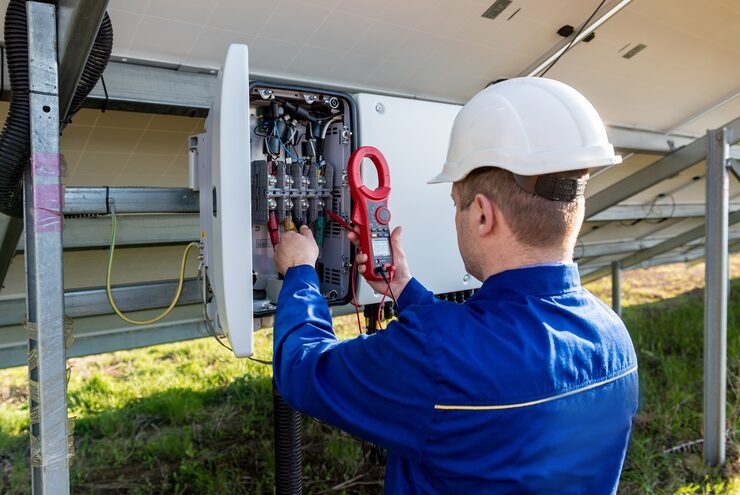
Troubleshooting starts with finding the actual fault, not just resetting a breaker and hoping. Brandon traces the circuit, checks connections at the panel and at outlets and switches along that circuit, and tests for the failure point with a meter rather than guessing. Common culprits are loose neutral connections, backstabbed outlets that have worked loose over the years, overloaded circuits carrying more than their wire gauge allows, and failing breakers.
Power to the affected circuit gets shut off at the panel while work happens, not the whole house, unless the panel itself is the problem. Most troubleshooting and repair visits keep the outage limited to the room or circuit being worked on. If the fix requires anything at the service entrance or meter, the utility has to be involved for anything on their side of the meter, while everything from the meter into the house is the electrician’s work.
What It Costs
A straightforward troubleshooting call, tracing one dead outlet or a circuit that keeps tripping, generally runs {PRICE_LOW} to {PRICE_HIGH}. That range moves based on how many circuits are involved, whether the fault is easy to isolate or buried behind finished walls, and whether the repair uncovers knob and tube or aluminum wiring that needs to be addressed rather than just patched. We give you the number before anything gets opened up, and if the scope changes once we’re inside a wall, we tell you before we keep going.
How Long It Takes
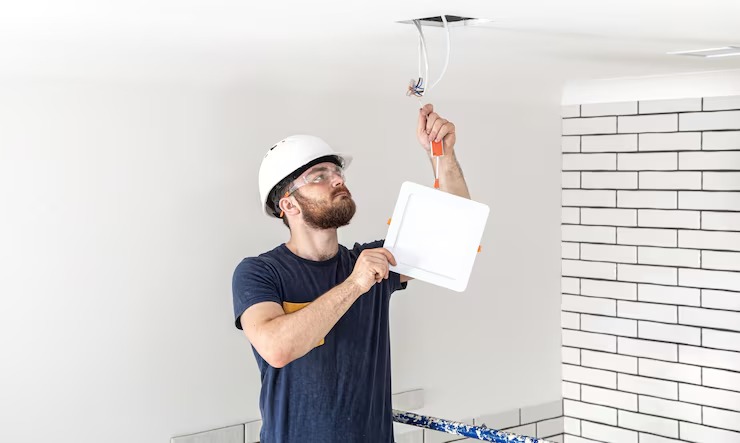
Most single-circuit troubleshooting and repair visits are done in the same appointment, typically two to four hours depending on access. If the issue turns out to be a symptom of a bigger problem, like a panel that is undersized for the house or wiring that needs replacing beyond the immediate fault, we will say so and scope that as a separate job rather than stretching a repair call past what it should cover.
Permits and Inspection
Electrical repair work in Massachusetts is permitted and inspected, and that is not optional paperwork, it is how the state confirms the work was done to code by a licensed electrician. Brandon pulls the permit, the city inspector reviews the completed work, and you get a record that the repair was done correctly. That inspection step is the difference between hiring a licensed electrician and hiring someone with a truck and a multimeter. [EXTERNAL LINK: Massachusetts electrical code and permitting requirements from Mass.gov, for homeowners who want to see the state’s actual rules]
Common Questions
Why does my breaker keep tripping even though nothing seems wrong?
A breaker tripping repeatedly usually means the circuit is carrying more load than its wire gauge is rated for, or there is a loose connection generating heat somewhere along the circuit. Either way, it is worth having it traced rather than just resetting it.
Is knob and tube wiring dangerous?
Knob and tube wiring itself was solid engineering for its time, but it was not designed for insulation contact or today's electrical loads, and decades of modifications by different owners often leave it in poor condition. We evaluate the specific wiring in your house rather than assuming.
Do I need a permit for a simple outlet repair?
Most electrical repair work in Massachusetts requires a permit, even for what seems like a small fix. It protects you as the homeowner because the work gets inspected and documented.
What panel brands should Beverly homeowners be cautious about?
Federal Pacific and Zinsco panels are the two most common concerns in older Beverly homes. Both have documented histories of breakers that fail to trip properly, and either warrants a direct look from a licensed electrician.
Will the power be out to my whole house during a repair?
Usually not. We isolate power to the specific circuit being worked on whenever possible, so the rest of the house keeps running.
Reach Out for Electrical Repair
If you’re dealing with a dead circuit, a breaker that trips on its own, or outlets that just stopped working, call {PHONE}. We work across Beverly and the rest of the North Shore, and we can usually get someone out to look at it and give you a straight answer about what it will take to fix.
Contact information
Talk to Brandon
Brandon left union electrical work to run the electrical side of this family business, with Chris handling plumbing and heating on the other side. He is the one tracing your circuit and pulling your permit, not a dispatcher assigning your job to whoever is closest. If something looks off in your panel or your wiring history is unclear, tell him what you know when you call. Old houses come with old surprises, and he would rather hear about them upfront.