
Electrical Service Upgrades in Salisbury, MA
A lot of Salisbury’s housing stock dates to a stretch when 60 amp electrical service was standard and nobody was thinking about central air, an electric range, and a hot tub on the same property. Add a heat pump or an EV charger to a house still wired for a 1970s ranch load, and the panel runs out of room before the wish list does. That’s the upgrade this page is about.
Why Salisbury Homes Need This
Salisbury sits at the northern edge of Belfiore’s territory, next to Salisbury and a short drive from Newburyport’s federal-era downtown. Newburyport’s housing is dense and historic enough that upgrades there are often limited by what the old building will physically accept. Salisbury and Salisbury are a different story – more modest construction, more ranches and capes from the mid-1900s, more additions and finished basements bolted onto services that were never sized for them.
That means a real mix of what we find in Salisbury panels: 60 amp fused services in some of the older year-round homes near the marsh and beach neighborhoods, 100 amp panels from the 1980s and 90s that are maxed out by the time someone adds central air and a workshop, and the occasional Federal Pacific Stab-Lok panel that’s overdue for attention regardless of amperage. None of that is unusual for this part of the North Shore. It’s just what happens when housing outlives its original electrical plan.
What the Work Involves
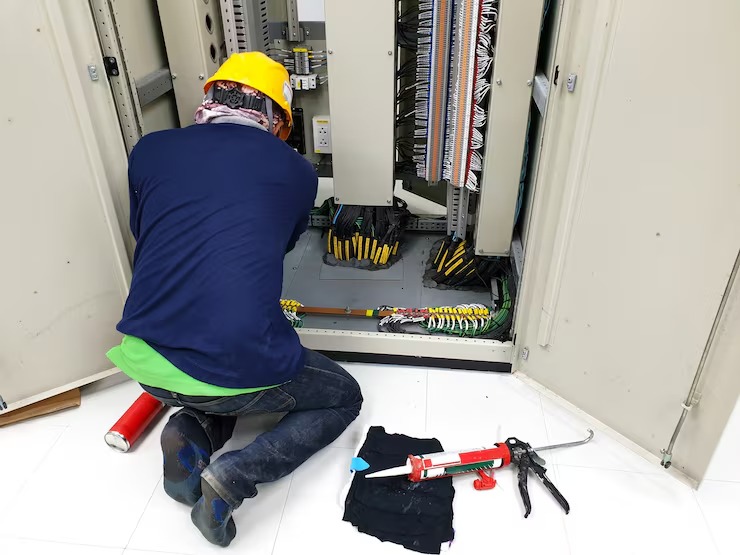
A service upgrade touches everything between the utility pole and your breaker panel. Brandon starts by sizing the job correctly – what your house actually draws now, and what you want it to handle later, whether that’s an EV charger, a heat pump, or a hot tub. From there the work usually includes a new meter socket, a new or upgraded weatherhead and mast, new service entrance cable sized for the higher amperage, and a panel rated to match, typically stepping from 60 or 100 amps up to 200.
Here’s the split that surprises people: the electrician doesn’t own the whole job. National Grid or Unitil has to disconnect service before work starts and reconnect it after inspection, and depending on the situation they may need to upgrade the transformer or drop wire feeding your house. Brandon coordinates that scheduling directly. The power is typically out for most of a day – not because the electrical work takes that long, but because you’re waiting on the utility’s disconnect and reconnect windows on either end.
What It Costs
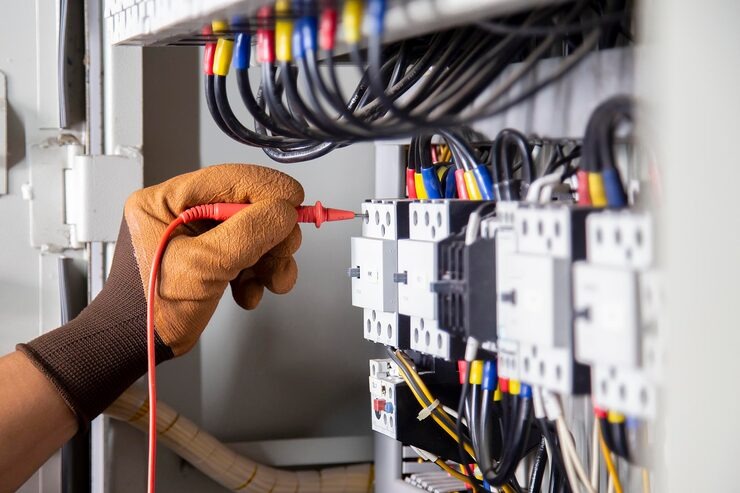
A straightforward 100 to 200 amp service upgrade in Salisbury generally runs {PRICE_LOW} to {PRICE_HIGH}. What moves that number: how far the mast has to run, whether the meter location is changing, whether there’s asbestos-wrapped or knob and tube wiring downstream that needs addressing at the same time, and whether the utility requires a transformer upgrade on their end. Brandon gives you a firm number after he’s seen the panel and the service entrance in person – not a phone estimate, because the mast height and wire run are different on every house.
How Long It Takes
The electrical portion of a service upgrade – swapping the mast, meter socket, and panel – is usually a one-day job for Brandon’s crew. The full timeline depends on the utility. Once the permit is pulled and the town inspection is scheduled, National Grid or Unitil needs their own window to disconnect and reconnect, which can add a few days to a couple of weeks depending on their queue. We build that into the schedule up front so you’re not left guessing.
Permits and Inspection
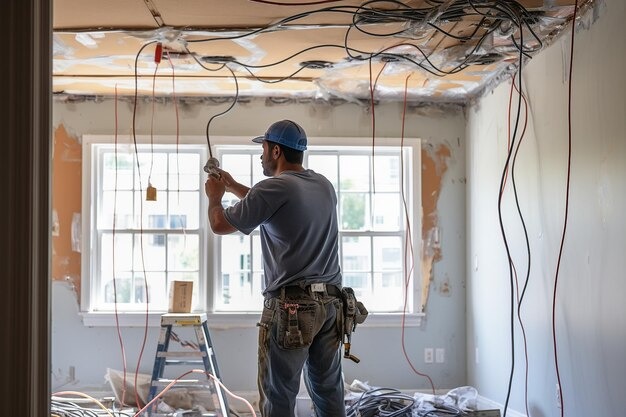
Service upgrades are permitted work in Massachusetts, full stop. Brandon pulls the permit, the Town of Salisbury’s electrical inspector signs off on the rough and final work, and the utility won’t reconnect power until that inspection is passed. This isn’t optional paperwork – it’s what separates a licensed electrician from someone working out of a truck with no accountability. It also protects you at resale, when an unpermitted panel change is exactly the kind of thing a home inspector flags. [EXTERNAL LINK: Massachusetts electrical code amendments (527 CMR) via Mass.gov, for homeowners who want to see the actual code a service upgrade is inspected against]
Common Questions
How do I know if my Salisbury home needs a service upgrade instead of a panel swap?
If your panel is rated 60 or 100 amps and you're adding a major load like an EV charger, heat pump, or electric range, you likely need more amperage from the utility, not just a new panel at the same rating. Brandon can tell the difference in one visit by checking your existing service size against your planned load.
Will I lose power during the upgrade?
Yes. The utility has to disconnect service before Brandon can swap the mast, meter, and panel, and reconnect once the inspection passes. Plan for most of a day without power, sometimes longer depending on the utility's scheduling.
Does Salisbury require a permit for this work?
Yes. Service upgrades require a permit and a town electrical inspection before the utility will reconnect power. Brandon handles the permit application and coordinates the inspection as part of the job.
Is National Grid or Unitil involved in the work?
Both. Whichever utility serves your part of Salisbury has to disconnect and reconnect service, and in some cases upgrade the transformer or line feeding your house. Brandon coordinates directly with them so the timeline is clear before work starts.
What amperage should I upgrade to?
Most Salisbury homes moving off 60 or 100 amp service go to 200 amps, which covers an EV charger, heat pump, and future additions without needing another upgrade later. Brandon will size it to your actual plans rather than defaulting to the biggest option.
Reach Out for Electrical Service Upgrades
If your Salisbury home is still running on 60 or 100 amps and you’re adding load – a heat pump, an EV charger, a finished basement – call {PHONE} and describe what you’re working with. Brandon will walk you through what an upgrade looks like for your specific house and get it scheduled with the town and the utility.
Contact information
Talk to Brandon
Brandon left union work to run the electrical side of a family business, and service upgrades are a job he’s done enough times to size correctly on the first visit. He’ll look at your panel, your mast, your meter, and tell you straight whether you need 150 or 200 amps, or whether the panel itself is the actual problem and not the amperage at all.