
Electrical Panel Upgrades in Beverly, MA
A lot of Beverly’s housing stock went up between the 1900s and the 1930s, back when a house ran on a handful of lights and maybe a radio. Those homes got 60 amp services, sometimes upgraded to 100 amp somewhere along the way, and that was plenty for decades. Now the same houses are getting central air, an EV charger in the driveway, a heat pump, or a finished basement with its own subpanel, and the original panel simply was not sized for any of that.
Why Beverly Homes Need This
Between the Ryal Side triple-deckers, the older single-families off Cabot Street, and the beach neighborhoods near Lynch Park, Beverly has a mix of housing eras but a lot of it predates modern electrical demand. We still find 60 amp fused services in homes that have since added central air and a couple of window unit backups, which is exactly the kind of load creep that trips old panels and cooks wiring nobody’s looked at in fifty years.
We also see knob and tube feeding older circuits, cloth-insulated wire that’s brittle at every junction box, and panels made by Federal Pacific and Zinsco that were common through the 1960s and 70s. Both brands have documented breaker failures – breakers that don’t trip when they should, under overload or fault conditions. If your panel has either name on the cover, that’s not a maybe-someday project. That’s a replacement conversation, not just a capacity one.
For homes where the panel itself is sound but undersized, an upgrade adds amperage and breaker slots without ripping out equipment that’s still doing its job correctly.
What the Work Involves
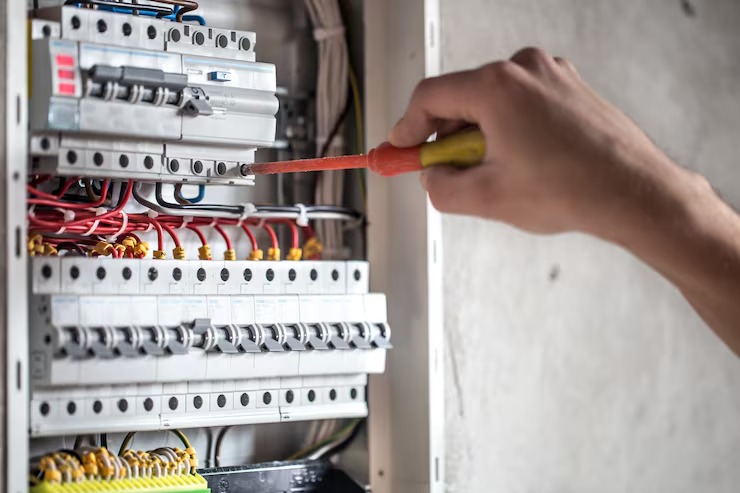
Brandon starts by opening the existing panel and tracing what’s actually there versus what the label says. Sometimes a 100 amp panel is fed by wire that was only ever rated for 60. That changes the plan before any breaker gets swapped.
The utility disconnects power at the meter, which means the whole house goes dark for the swap, typically for a few hours on the day of work, not the whole day. Brandon pulls the old panel, sets the new one, re-terminates every circuit, and labels the directory so it’s actually usable instead of guesswork. New panels commonly come with 200 amp capacity, copper bus bars, and room for the breakers you’ll want for an EV charger, a heat pump, or a future addition.
Grounding gets checked and typically upgraded to current code – ground rods, bonding to plumbing where required, and a proper grounding electrode conductor. This is one of the most commonly skipped items in older installs and one of the first things an inspector checks.
What It Costs
A straightforward panel upgrade in a Beverly single-family, same location, same service size stepping up in capacity, generally runs {PRICE_LOW} to {PRICE_HIGH}. What moves that number: whether the service entrance conductors need to be replaced along with the panel, whether the meter socket needs updating to match, how many circuits get moved over, and whether Brandon finds knob and tube or aluminum branch wiring that needs addressing at the same time. A two or three family conversion with separate meters costs more because there’s more than one panel and more coordination with the utility.
Brandon gives you the number after he’s opened the panel and seen the actual wire, not before. A phone estimate on a panel job is a guess. An in-person one is a quote.
How Long It Takes
Most residential panel upgrades in Beverly are a one-day job once permits are in hand. The power outage window itself is usually two to four hours while the utility disconnects and Brandon completes the swap. Getting to that day takes longer than the day itself – the permit has to be pulled, the utility sometimes needs to schedule its own visit for the meter or service drop, and the inspection has to be booked. Plan on one to three weeks from signed estimate to finished job, depending on the town’s permit turnaround and the utility’s calendar.
Permits and Inspection
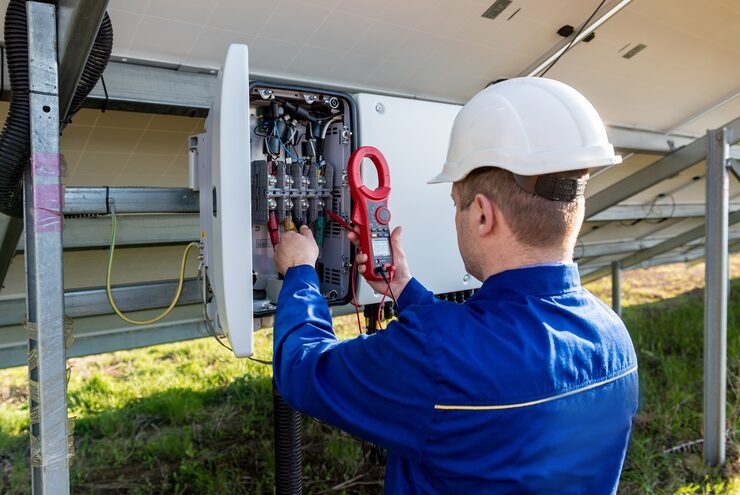
Panel work is permitted in Massachusetts, full stop. Brandon pulls the electrical permit before work starts, and the finished job gets inspected by the local electrical inspector before the panel is buttoned up and signed off. That inspection is not a formality – it’s someone independent of Belfiore checking the grounding, the bonding, the breaker sizing, and the workmanship. [EXTERNAL LINK: Massachusetts Board of State Examiners of Electricians – licensing and code reference, for homeowners who want to verify a contractor’s license status]. If a contractor tells you permits aren’t necessary for a panel swap, that’s a reason to hang up, not a reason to save money.
Common Questions
How do I know if I need a panel upgrade or a full replacement?
If the panel brand is Federal Pacific or Zinsco, or if breakers are failing to trip, that's a replacement issue regardless of amperage. If the panel works fine but you're out of breaker slots or amperage for new equipment, that's an upgrade. Brandon can tell you which one applies after opening the panel.
Will I lose power during a panel upgrade?
Yes, for a few hours on the day of the swap while the utility disconnects service at the meter. Brandon schedules the work so that window is as short as possible.
Can I add an EV charger without upgrading my panel first?
Sometimes, if you have spare capacity and open breaker slots. Many older Beverly homes with 60 or 100 amp services don't have the headroom, which is one of the most common reasons people call about an upgrade in the first place.
Is a permit really required for a panel upgrade?
Do you handle two and three family homes with separate panels?
Reach Out for Electrical Panel Upgrades
If your panel is maxed out, humming, warm to the touch, or just old enough that you’re not sure what’s behind the cover, call {PHONE}. Brandon will walk you through what a Beverly home like yours typically needs and what the visit involves.
Contact information
Talk to Brandon
Brandon left the union to do this work under the family name, and panel upgrades are a big part of what he does across Beverly and the rest of the North Shore. He’ll look at what you have, tell you straight whether it’s an upgrade or a full replacement situation, and explain what’s driving the number before he writes it down.