Electrical Panel Replacement in Swampscott, MA
Plenty of houses along Swampscott’s coastline went up in the 1920s and 30s, with a wave of Capes and colonials filling in through the postwar years. Most of them started life with 60 amp electrical service, sometimes less, run for a house with an icebox and a radio. Sixty and seventy years later that same panel is being asked to run central air, an electric range, a hot tub on the deck, and a couple of EVs in the driveway. Something has to give, and usually it’s the panel.
Why Swampscott Homes Need This
Salt air off the water is hard on anything electrical that lives outside – meter bases, service masts, exterior disconnects. We see corrosion on components in Swampscott that would still look fine ten miles inland. That alone shortens the working life of a panel here compared to a similar house in a landlocked town.
Then there’s the panel itself. A lot of homes in this part of the North Shore still have Federal Pacific Stab-Lok panels or Zinsco panels from the 60s and 70s. Both have a documented history of breakers that fail to trip under fault conditions, which is exactly the moment you need a breaker to work. Insurance underwriters know these names. Some won’t renew a policy until the panel is gone. If your house still has cloth-insulated wiring or a knob-and-tube remnant feeding into an old fuse box, that’s a second, older problem stacked on top of the panel question.
Swampscott also has a real generator story. Coastal storms take this town’s power out more often and for longer than towns set back from the water, and a lot of our panel replacement jobs here get scoped alongside a generator interlock or transfer switch conversation, because it’s the same panel work either way.
What the Work Involves
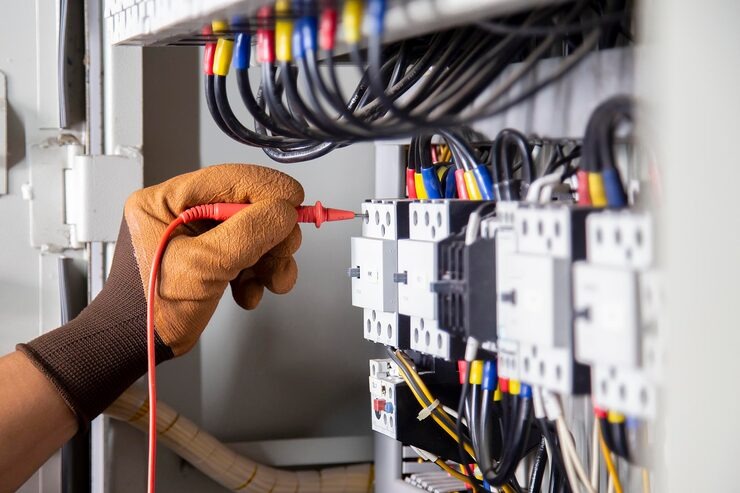
Brandon shuts the main breaker off, and in most cases the utility has to pull the meter or the meter is pulled with their permission before the old panel comes off the wall. The house is dark for that stretch, typically a few hours, not all day.
The old panel and its breakers come out. The new panel goes in on the same wall in most cases, sized to what the house actually needs now – 100 amp is the practical floor for a small house, 150 to 200 amp is standard for anything with central air, an electric range, or EV charging in the plan. Every circuit gets transferred to a new breaker, labeled properly this time, and grounding gets brought up to current code, which older panels almost never meet. Tight lots and narrow driveways in Swampscott sometimes mean the utility truck has limited room to work, so scheduling with National Grid has to be planned around that.
Once the new panel is live, Brandon tests every circuit, checks for proper bonding, and confirms nothing was missed on the transfer before buttoning up the cover.
What It Costs
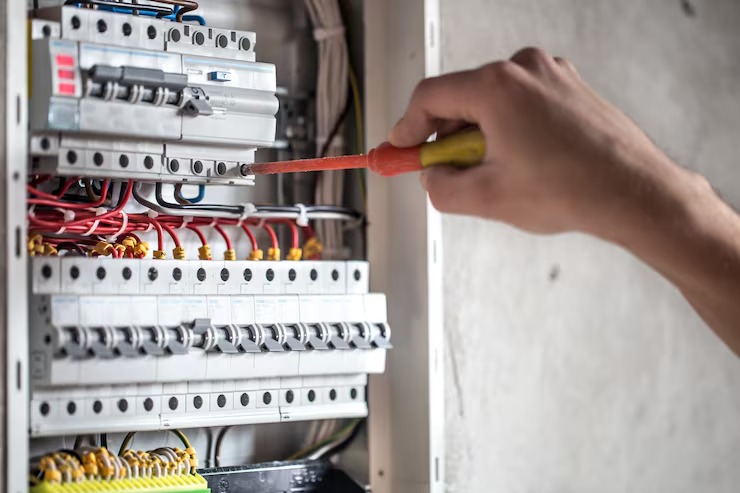
A straightforward panel replacement in Swampscott generally runs {PRICE_LOW} to {PRICE_HIGH}. Where you land in that range depends on the amperage you’re moving to, whether the meter socket and service mast need to be replaced along with the panel, how much rework the existing wiring needs to meet current code, and how much access work is involved – some of these older coastal houses have panels in tight basements or additions that make the physical job slower. Chris and Brandon will walk the panel with you before any number gets written down.
How Long It Takes
Most straightforward panel replacements are a single day’s work, with the power interruption itself lasting a few hours during the swap. If the meter base, mast, or grounding electrode also need work, or if the utility has to schedule a separate visit to pull and reset the meter, plan for the job to stretch into a second day. Older homes with unusual wiring or hidden circuits sometimes add time once the panel is open and Brandon can see what’s actually behind the wall.
Permits and Inspection
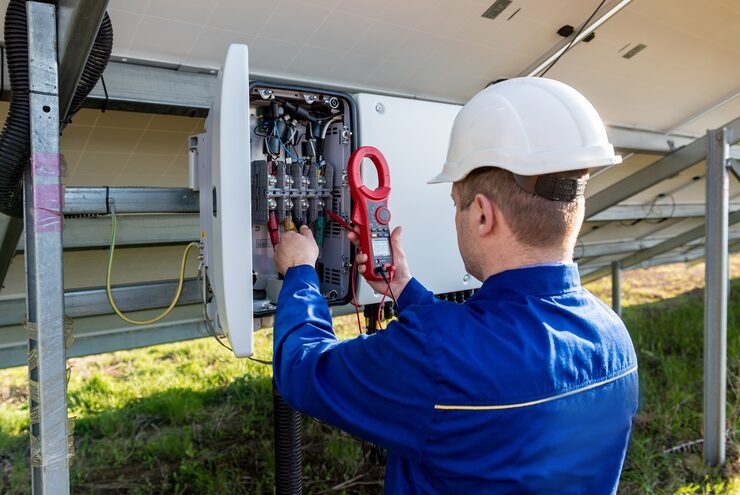
Panel replacement is not a job you can pull off quietly over a weekend, and it shouldn’t be. Massachusetts requires a permit for this work, and the Town of Swampscott’s electrical inspector has to sign off before the panel is considered done. Brandon pulls the permit, schedules the inspection, and stands there for it. That inspection is what confirms the grounding, bonding, and breaker sizing all meet the current [EXTERNAL LINK: Massachusetts Electrical Code (based on NEC), for homeowners who want to see the actual standard the inspector is checking against]. If a contractor offers to skip the permit, that’s a sign to call someone else.
Common Questions
How do I know if my panel needs replacing versus upgrading?
If the panel is failing, obsolete, or a known recalled brand like Federal Pacific or Zinsco, that's a replacement – the condition of the panel itself is the problem. If the panel works fine but you don't have enough amperage for what you want to add, that's usually an upgrade instead. Brandon can tell you which situation you're in during a quick look at the panel.
Are Federal Pacific and Zinsco panels really dangerous?
Both brands have a documented history of breakers that fail to trip during a fault, which defeats the point of a breaker. They were widely installed in this region decades ago, so finding one in a Swampscott home isn't unusual. Most electricians and a growing number of insurers recommend replacement rather than repair.
Will I lose power to my whole house during the replacement?
Yes, for part of the day. The main breaker gets shut off and in most cases the utility meter is pulled while the old panel comes out and the new one goes in. Most jobs restore power the same day, usually within a few hours of the shutoff.
Does panel replacement affect my homeowners insurance?
Can you size the new panel for a future generator or EV charger?
Reach Out for Electrical Panel Replacement
Call {PHONE} to get Brandon out to look at your panel. Tell him what’s original to the house, what’s been added since, and what you’re planning to add next – a generator, an EV charger, a heat pump – and he’ll tell you straight what size panel actually makes sense.
Contact information
Talk to Brandon
Brandon left union work to run the electrical side of this family business, and panel replacement is a job he’s done enough times on Swampscott’s older housing stock to know what he’ll find before the cover comes off. If your panel has a Federal Pacific or Zinsco label on it, or your insurance company has already asked you about it, that’s worth a phone call before it becomes their deadline instead of yours.