
Electrical Panel Replacement in Nahant, MA
A lot of the housing stock on the Nahant peninsula predates central air, electric ranges, and anything close to a modern kitchen load. Many of those houses were originally wired for 60 amps, sometimes less, and the panel doing the work today is often a patched-together mix of additions from three different decades. If you’re pulling permits for a heat pump, a hot tub, or a garage rebuild, the panel is usually the first thing that fails the load calculation.
Why Nahant Homes Need This
Nahant’s building stock skews old, and the peninsula’s exposure to salt air is hard on anything electrical that sits outside. Meter housings, weatherheads, and exterior disconnects corrode faster here than they would a few miles inland in Salem. That corrosion doesn’t stay outside the box. Once moisture gets past a seal, it starts working on the breakers themselves.
We still find Federal Pacific Stab-Lok panels in Nahant homes, along with some Zinsco equipment from the same era. Both have documented breaker failures where the breaker doesn’t trip under an overload the way it’s supposed to. Neither is illegal to leave in place, but most home insurers now flag them at renewal or refuse new policies outright until the panel is replaced. Add in cloth-insulated wiring and a 60 amp main that was never sized for a modern all-electric kitchen, and you’ve got a house where a panel swap isn’t optional upgrading, it’s catching the electrical system up to what the house actually demands now.
Tight lots and difficult driveway access are also a real factor here. Utility trucks and our own equipment need a path to the meter and the mast, and on some Nahant streets that means coordinating timing so a truck isn’t blocking the only way in or out.
What the Work Involves
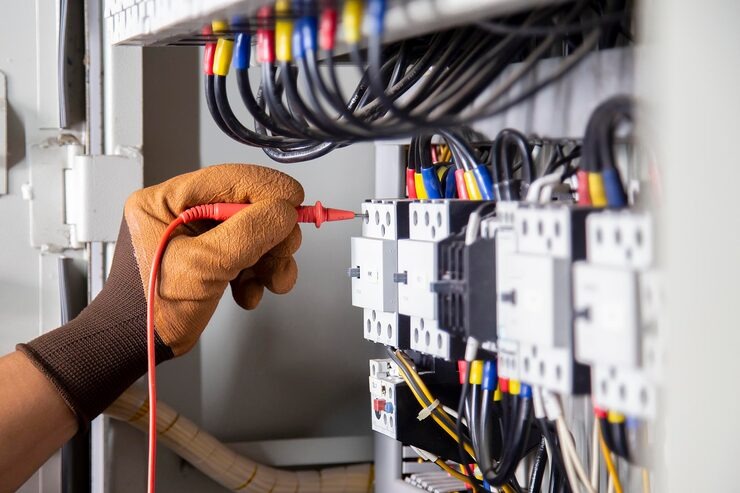
A panel replacement starts with a load calculation, not a guess. Brandon adds up your existing circuits plus anything you’re planning to add, whether that’s an EV charger, an induction range, or a heat pump, and sizes the new panel to handle it with room left over.
Once the size is set, the utility has to pull the meter and kill power to the house before any panel work starts. That part is out of our hands and depends on the utility’s schedule, though most North Shore panel swaps get coordinated within a day or two of the permit going in. Once power is confirmed off, we disconnect and remove the old panel, mount the new one, and reconnect every circuit one at a time, labeling as we go. Breakers get matched to the wire gauge on each circuit, not just dropped in at whatever amperage fits the slot.
Power is typically out for four to eight hours during the swap itself. We test every circuit before we close the panel up, checking for correct polarity, proper grounding, and that every breaker trips the way it should under test load.
What It Costs
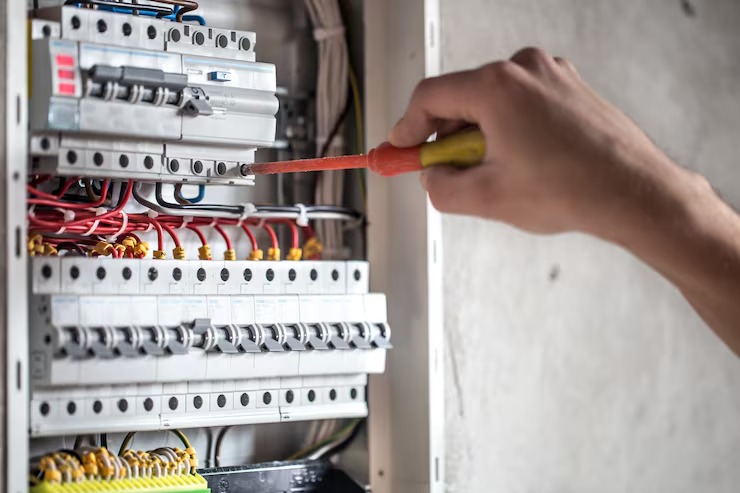
A straightforward Nahant panel replacement usually runs {PRICE_LOW} to {PRICE_HIGH}. Where you land in that range depends on the size of the new panel, whether the grounding system needs to be brought up to current code, how much of the existing wiring can be reused versus needs new whips run, and whether the meter socket or mast also needs replacing due to corrosion. Coastal homes with visibly corroded exterior equipment tend to land toward the higher end because that hardware usually can’t be reused.
We won’t quote a number over the phone without seeing the panel and the service entrance first. A house with a clean 100 amp Federal Pacific swap is a different job than one where the meter base is also rusted through.
How Long It Takes
The physical replacement is a single day’s work in most cases. Power is out for the four-to-eight-hour window while the panel itself is disconnected, reinstalled, and tested. What can stretch the timeline is scheduling, not labor: the utility needs to pull and reset the meter, and the local inspector needs to sign off before the panel goes live for full use. Plan on the whole project, start to finish, taking somewhere between a few days and two weeks depending on utility and town inspector availability.
Permits and Inspection
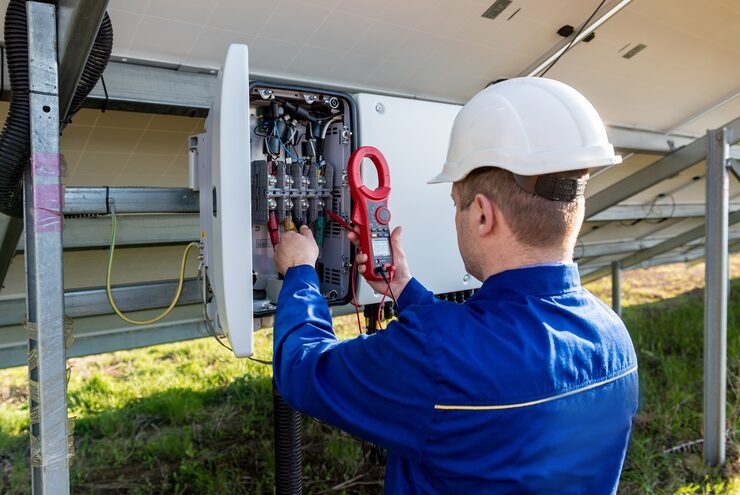
Panel replacement is permitted work in Massachusetts, full stop. Brandon pulls the permit before the job starts, and the completed panel gets inspected by the town’s electrical inspector before it’s signed off. That inspection checks grounding, bonding, breaker sizing against wire gauge, and clearances around the panel itself.
This is one of the clearest ways to tell a licensed electrician from someone working without a license. Unpermitted panel work is common on the North Shore, and it shows up later at resale when a home inspector can’t find a record of the work, or when an insurer asks for documentation that doesn’t exist. A permitted, inspected panel is paperwork you can hand to a buyer or an insurance adjuster without a conversation. [EXTERNAL LINK: Massachusetts electrical code amendments (527 CMR 12.00), for homeowners who want to see the state code governing panel work]
Common Questions
Is a Federal Pacific panel dangerous enough that I need to replace it right away?
Federal Pacific Stab-Lok panels have documented cases of breakers failing to trip under overload conditions. Many insurers now require replacement before they'll issue or renew a homeowner's policy. It's not necessarily an emergency, but it's not something to leave indefinitely either. Brandon can look at your specific panel and give you a straight read on the condition.
How do I know if my Nahant home needs a panel replacement versus just a panel upgrade?
Replacement is about the condition of the panel itself, meaning it's old, obsolete, or a flagged brand like Federal Pacific or Zinsco. Upgrade is about capacity, meaning the panel works fine but you need more amps for an EV charger or an addition. Sometimes a house needs both at once. We'll tell you which applies after we look at what you have.
Will I lose power to my whole house during the replacement?
Yes, for the duration of the swap, typically four to eight hours. We coordinate the timing with you in advance so you're not caught off guard, and we let you know once the utility has confirmed the shutoff schedule.
Do I need a permit for a panel replacement in Nahant?
Does salt air really affect indoor electrical equipment, not just what's outside?
Reach Out for Electrical Panel Replacement
If your Nahant home still has its original service or a panel brand that’s been recalled or flagged by insurers, get it looked at before it becomes an emergency instead of a planned project. Call {PHONE} to set up a time for Brandon to come take a look at your panel and give you a straight answer on what it needs.
Contact information
Talk to Brandon
Brandon is the electrician here, licensed and hands-on with every panel job Belfiore takes on. If you’ve got a Federal Pacific panel you’re not sure about, or you’re just tired of breakers that feel warm to the touch or won’t hold a reset, it’s worth a direct conversation before you assume the worst or assume it’s fine. He’ll look at the actual panel and the actual wiring in your house before anyone talks numbers.