
Electrical Panel Replacement in Lynn, MA
A lot of Lynn’s housing stock went up between the 1900s and the 1940s, and a huge share of it is three-deckers built for gas lighting first and electricity second. The panel in the basement is often original to a much later renovation, not the house, and it was sized for a couple of lights and an icebox, not a stove, a mini split, and three window units running in July. If your panel still has a main breaker rated at 60 amps, or the cover plate says Federal Pacific or Zinsco, this is the page that explains what you’re looking at and what it takes to replace it properly.
Why Lynn Homes Need This
Lynn’s density is the story. You’ve got tight lots, shared walls, and a huge percentage of multifamily housing where three units are pulling power off wiring and panels that were never meant to carry modern loads. That combination shows up in the panels we open up every week.
- 60 amp services. Plenty of Lynn three-deckers still run on 60 amp main panels from a mid-century upgrade. That was fine for lights, a fridge, and a radio. It is not fine for central air, an electric range, and a couple of space heaters all running at once.
- Federal Pacific Stab-Lok panels. These were installed all over the North Shore through the 1960s and 70s. The breakers in these panels have a documented history of failing to trip under fault conditions, which means a short circuit or overload doesn’t get shut off the way it’s supposed to. Insurance companies increasingly flag these panels directly.
- Zinsco and GTE-Sylvania panels. Same era, different failure mode – the breaker connections can fuse to the bus bar, which again means the safety device doesn’t do its job when it matters.
- Knob and tube and cloth-insulated wiring. Common in the older sections of Lynn near downtown and around the Diamond District. It’s not automatically dangerous, but it changes how a new panel gets wired in and what the inspector wants to see.
Add in that a lot of these homes are owner-occupied with tenants upstairs, and a panel replacement in Lynn is rarely simple. It’s usually multiple loads, multiple meters, and a panel that’s been asked to do more than it was built for.
What the Work Involves
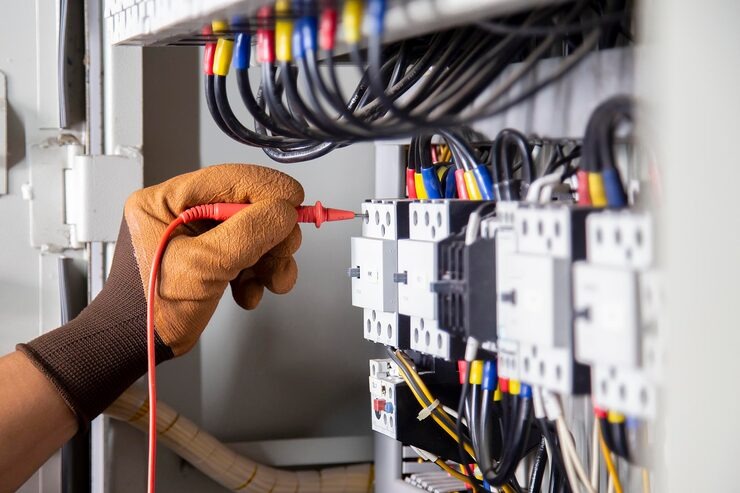
Brandon treats a panel replacement as a full teardown and rebuild of the electrical distribution point in your house, not a swap of one box for another.
The utility disconnects power at the meter before anything opens up – that part is National Grid’s job, not the electrician’s, and it’s usually scheduled in advance rather than same-day. Once the meter’s pulled or the main is locked out, the old panel comes out completely. Every circuit gets landed in the new panel: breakers matched to the wire gauge on each circuit, arc-fault and ground-fault protection added where the 2020 Massachusetts electrical code requires it, and the grounding and bonding brought up to current standard, which older panels almost never meet.
If the house still has some knob and tube or cloth wiring feeding into the new panel, that gets evaluated circuit by circuit – some of it can be safely terminated into a modern breaker, some of it needs to be flagged for future rewiring. Once the physical work is done, the inspector signs off before National Grid reconnects the meter.
Power is out for the house during the work itself, typically for one full work day. In a three-decker, that means all three units lose power, which is why scheduling this around tenants matters and why Brandon will talk through timing with you up front rather than surprise anyone.
What It Costs
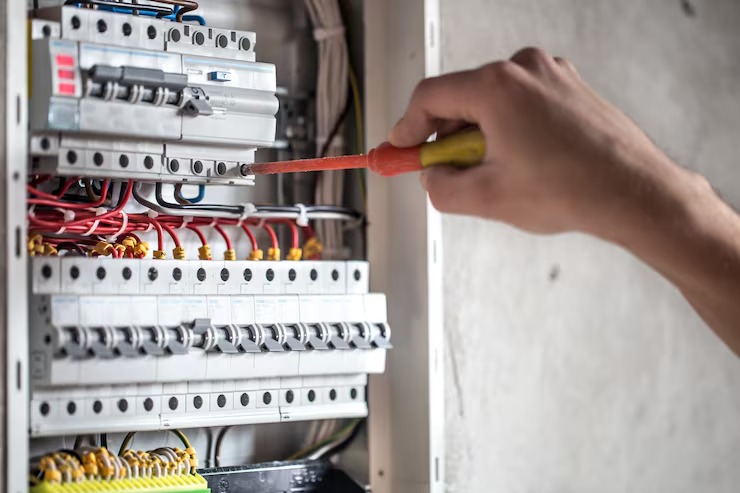
A straightforward replacement of a single 100 or 125 amp panel with a similar-sized new one runs in the range of {PRICE_LOW} to {PRICE_HIGH}. What moves that number:
- Whether you’re replacing like-for-like or increasing the panel’s amperage at the same time
- How many circuits are in the house – a single-family with 12 circuits is a different job than a three-decker with 30 across three meters
- Multifamily properties with multiple meter panels, which means multiple main disconnects and more labor
- Whether knob and tube wiring needs to be assessed or partially addressed as part of the job
- Any code corrections the old work needs – improper grounding, double-tapped breakers, missing bonding – that an inspector will require Brandon to fix while the panel is open anyway
The quote Brandon gives you is for your panel, in your basement, after he’s actually looked at what’s there. Nobody gets a number over the phone for a job like this.
How Long It Takes
Most single-family panel replacements are a one-day job from shutoff to reconnect, assuming the utility coordination happens on schedule. Multifamily jobs with more than one meter can run into a second day, mainly because there’s more to land and more to inspect. The permit and inspection step adds time before the work starts, not after – Massachusetts requires the permit to be pulled and often the rough work scheduled with the inspector before National Grid will schedule the disconnect.
Permits and Inspection
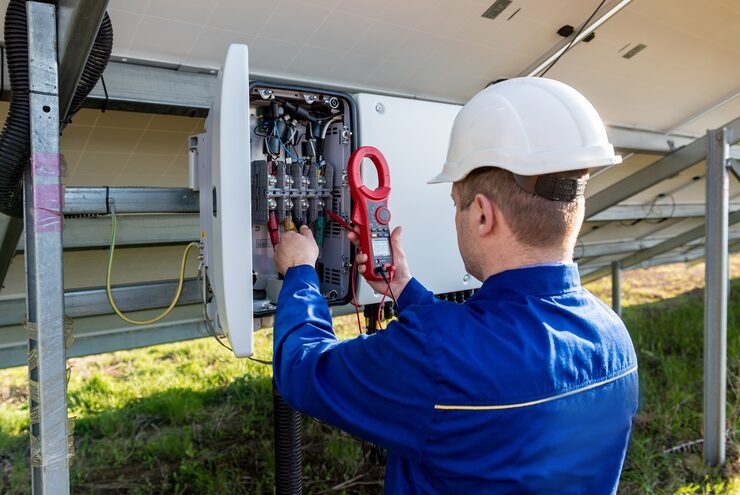
Panel replacement work in Massachusetts requires an electrical permit, and it gets inspected by the local wiring inspector before the utility reconnects your meter. That’s not paperwork for its own sake. It means a second, independent set of eyes confirms the grounding, bonding, breaker sizing, and panel labeling all meet code before you’re back on the grid.
Brandon pulls the permit as part of the job. If you’ve had panel work done in the past by someone who skipped that step, it shows up eventually – usually at resale, when a home inspector flags an unpermitted panel and the buyer’s lender wants it corrected. Doing it right the first time, permitted and inspected, avoids that entirely. [EXTERNAL LINK: Massachusetts Electrical Code (527 CMR 12) reference, for homeowners who want to see the actual amperage and grounding requirements Brandon is working to]
Common Questions
Do I need to replace my whole panel if it's just old, not damaged?
Age alone isn't automatically a reason to replace a panel, but certain brands – Federal Pacific and Zinsco chief among them – have documented failure modes that make age and brand together a real safety concern. Brandon can tell you which category your panel falls into.
How long will my house be without power?
For most single-family homes, one work day. Multifamily buildings with more than one meter can run longer since each unit's service gets landed and inspected separately.
Can I stay in the house during the replacement?
Yes, but you'll be without power for the day, including no heat if you have an electric furnace or heat pump and no water if you're on a well. Plan around that, especially in winter.
Will replacing the panel let me add central air or an EV charger later?
Does the city of Lynn require a permit for this?
Reach Out for Electrical Panel Replacement
If your panel is original to a house built before the war, or the breakers say Federal Pacific or Zinsco, it’s worth a look before it becomes an insurance problem or a resale problem. Call {PHONE} and Brandon will walk you through what he’d expect to find and roughly what it would take to fix it in your specific house.
Contact information
Talk to Brandon
Brandon’s the electrician half of the family business – he came out of union work to run the electrical side here, and panel replacements in old Lynn housing are a big part of what he sees week to week. If you’re not sure whether what you have is a genuine hazard or just old, send him a photo of the panel label and the breakers. Federal Pacific and Zinsco are usually identifiable at a glance, and that alone can tell you a lot before anyone sets foot in your basement.