Electrical Panel Replacement in Danvers, MA
A lot of Danvers housing went up between the 1920s and the 1950s, back when a 60 amp fuse box or a small 100 amp panel was considered plenty. Those panels were sized for a stove, a fridge, and a few lamps, not central air, an electric dryer, a hot tub, and three phone chargers going at once. If your panel still has fuses, or the breakers are stamped Federal Pacific or Zinsco, it was never built for the house you’re living in now.
Why Danvers Homes Need This
Danvers has a mix of older single-family homes near the center and converted two and three family houses closer to Peabody and Salem, many of them wired decades before anyone worried about central air or an EV in the driveway. It’s common for us to open a panel here and find cloth-insulated wiring, a mix of knob and tube in the attic, and a 60 amp service feeding a house that’s since had two additions.
The bigger issue is the panel brand itself. Federal Pacific Stab-Lok panels are all over the North Shore, and their breakers have a well-documented history of failing to trip during an overload. Zinsco panels have a similar problem, with breaker connections that can burn and fuse to the bus bar. Neither is something we patch. Both get replaced. Add in a house that’s added central air, a hot tub, or an electric range since the panel went in, and you’ve got a setup that’s overdue for a look even before you factor in age.
What the Work Involves
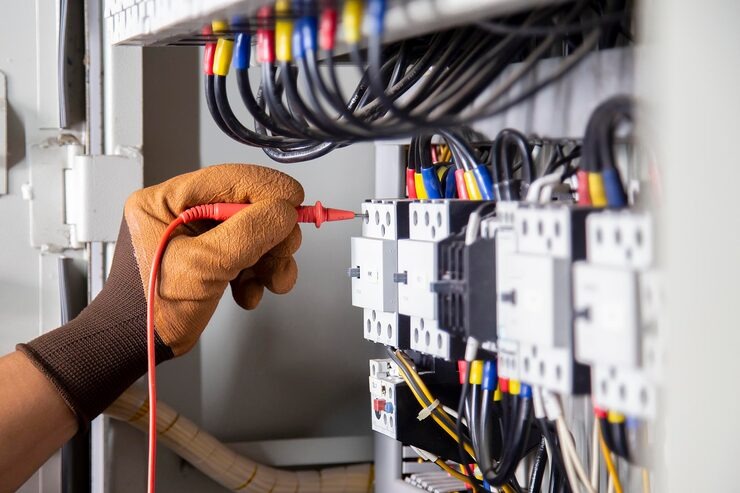
Brandon starts by checking what you actually have: panel brand, amperage, breaker types, and how the existing circuits are laid out. On replacement jobs the goal is usually a straight swap to a modern 100, 150, or 200 amp panel, matched to what the house needs now and what it’s likely to need in the next several years.
The utility disconnects power at the meter before any panel work starts, and it stays off until the new panel is set, wired, and buttoned up. For most homes that’s a matter of hours, not days, though it depends on how many circuits have to be re-landed and whether the panel location is changing. Every circuit gets moved over to a labeled breaker, grounding and bonding get brought up to current code, and any obviously dangerous wiring found along the way gets flagged before it’s covered back up.
What It Costs
A straightforward panel replacement in a Danvers home typically runs between {PRICE_LOW} and {PRICE_HIGH}. What moves that number: the amperage you’re going to (100 amp is cheaper than 200), whether the panel location changes, how many circuits need new labeling and re-termination, and whether the inspector wants grounding or bonding upgrades that go beyond the panel itself. A knob and tube house usually costs more to finish right than a house that’s already on modern Romex, simply because there’s more to trace and correct along the way.
How Long It Takes
Most straight panel replacements are a one-day job. Power is out for a portion of that day while the old panel comes out and the new one goes in and gets tested. If the job also involves moving the panel, upgrading the grounding electrode system, or dealing with old wiring that needs correcting first, plan on it stretching into a second day. Brandon will tell you upfront which kind of job you’ve got once he’s seen the panel.
Permits and Inspection
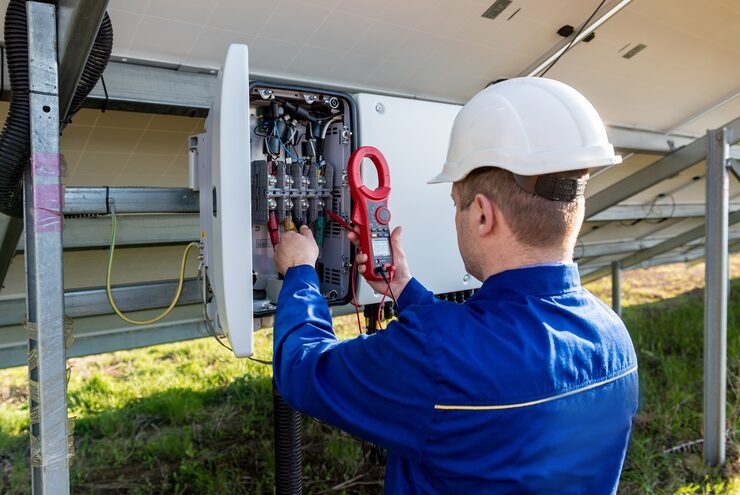
Panel replacement is permitted work in Massachusetts, full stop. Brandon pulls the permit with the Town of Danvers before the job starts, and the finished work gets signed off by a municipal electrical inspector before the panel is closed up for good. That inspection matters. It’s the difference between a licensed electrician’s work and whatever an unlicensed installer might leave behind. If a house ever gets sold, that permit and inspection record is what a buyer’s inspector will want to see.
Common Questions
How do I know if my panel needs replacing instead of upgrading?
Replacement is about condition, not capacity. If your panel is a Federal Pacific Stab-Lok, a Zinsco, or still uses fuses, it's a replacement conversation. If your panel is modern and healthy but you just need more amps for an EV charger or an addition, that's a capacity upgrade instead.
Are Federal Pacific panels really that common in Danvers?
Yes. They were installed widely across the North Shore from the 1950s through the 1980s, and Danvers has plenty of housing stock from that era. Brandon sees them regularly.
Will I be without power during the replacement?
Yes, for part of the day. The utility disconnects service at the meter before panel work starts and it stays off until the new panel is wired and tested, usually a matter of hours for a straightforward job.
Does this work require a permit?
What panel size should I replace to?
Reach Out for Electrical Panel Replacement
If your panel has fuses, if it’s stamped Federal Pacific or Zinsco, or if breakers trip for no clear reason, it’s worth a look before it becomes an emergency instead of a scheduled job. Call {PHONE} and we’ll set up a time to come take a look at your panel and talk through what a replacement in your Danvers home would involve.
Contact information
Talk to Brandon
Brandon is the licensed electrician on the Belfiore team. He left union work to run electrical for the family business, and panel replacement is a job he’s done often enough to spot a Federal Pacific panel from across a basement. If you’re not sure whether your panel needs replacing or just an upgrade, describe what you’re seeing and he’ll tell you straight which one you actually need.