
EV Charger Installation in Swampscott, MA
A lot of Swampscott’s housing stock went up between the 1900s and the 1950s, back when a 100 amp panel was considered generous and nobody was running a car off the garage wall. Now homeowners are pulling into driveways on Puritan Road and Beach Bluff Avenue with a new EV and a factory charge cable that trickles power overnight at best. The house wasn’t built for it, and in a lot of cases the panel isn’t either.
Why Swampscott Homes Need This
Swampscott has some of the highest ticket tolerance in our footprint, and it shows in the driveways. Nice cars, older houses. That combination is exactly where EV charger installation gets complicated. A house near the water built before 1960 was likely wired for lights, a stove, and maybe a window AC unit. It was not wired for a 40 or 50 amp continuous load sitting in the garage every night.
We still find 60 amp services in this town, along with cloth-insulated branch circuits and the occasional Federal Pacific panel that should have been swapped out years ago regardless of the EV question. Salt air off the water accelerates corrosion on anything mounted outside, which matters if the charger or the disconnect ends up on an exterior wall facing the ocean side of the house. And plenty of these lots are tight, with detached garages set back from the street, which means the wire run from the panel is longer than a newer subdivision would ever require.
Coastal outages are common here too, and we’re seeing more homeowners pair an EV charger project with a generator conversation in the same visit, since both start with the same question: what is this panel actually capable of supplying.
What the Work Involves
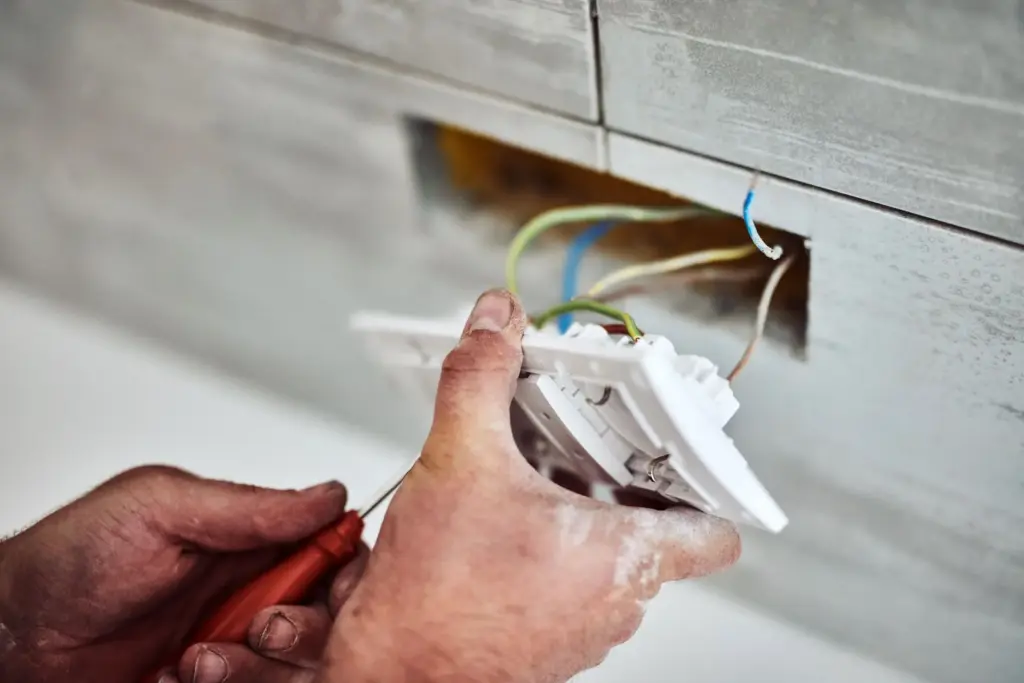
Brandon starts with a load calculation, not a guess. That means adding up what the panel already carries – heat, hot water, kitchen circuits, AC – and seeing what headroom is left for a dedicated 240 volt circuit. Most Level 2 chargers need a 40 or 50 amp breaker on 8 or 6 gauge copper, run on its own circuit back to the panel. No sharing, no piggybacking off an existing outlet.
If the panel has room, the job is a dedicated circuit, a new breaker, and either a hardwired connection or a NEMA 14-50 outlet, depending on what the charger manufacturer specifies. If the panel is maxed out or it’s an old 60 or 100 amp service, the conversation shifts to a panel upgrade first. That’s a bigger job, and it’s the more common outcome in Swampscott’s older homes than in newer North Shore construction.
Power to the house gets shut off for the panel work, usually for an hour or two, not all day. The utility owns the meter and the service drop, so if the upgrade requires a larger service entrance, they schedule that piece and coordinate the disconnect and reconnect. Brandon handles everything from the meter base inward – panel, breaker, wire run, and the charger connection itself. Outdoor runs get weatherproof conduit given what salt exposure does to exposed fittings on this coastline.
What It Costs
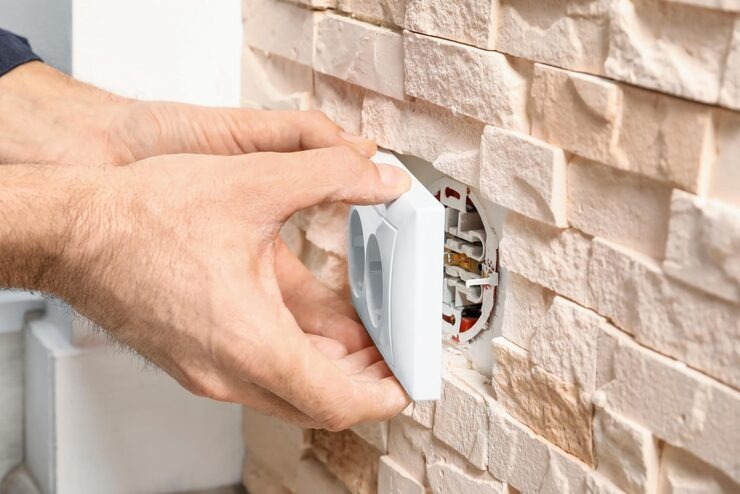
A straightforward dedicated circuit for a Level 2 charger, with an existing panel that has open breaker space, runs in the range of {PRICE_LOW} to {PRICE_HIGH}. That range moves based on wire run length, whether the garage is attached or detached, and whether the install is hardwired or uses a plug-in connection.
If the load calculation shows the existing panel can’t support the new circuit, a panel upgrade gets added to the job, and that raises the number. Older homes with knob and tube remnants or a Federal Pacific panel sometimes need remediation work done regardless of the charger, which we’ll flag before anything gets scheduled. Brandon walks the panel and the intended charger location before quoting, because a rough number over the phone isn’t worth much until someone’s actually looked at your electrical service.
How Long It Takes
A dedicated circuit installation with an existing panel that has capacity typically takes half a day. If a panel upgrade is part of the job, plan for a full day of work, plus whatever lead time the utility needs if the service entrance itself has to be upsized. Permitting adds time on the front end – the permit needs to be pulled and, in some towns, approved before work starts, and the inspection happens after the work is done, before everything gets closed up.
Permits and Inspection
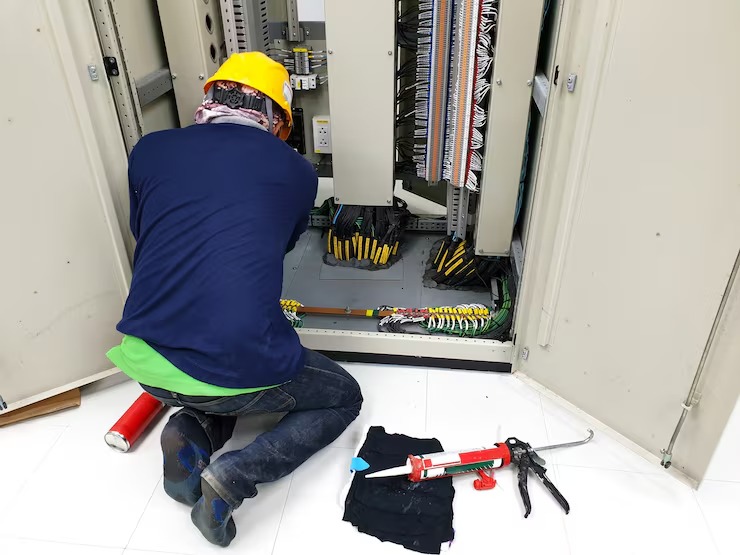
This work gets permitted and inspected. Massachusetts requires an electrical permit for new circuits and panel work, and a licensed electrician has to pull it. The inspector checks the breaker sizing, wire gauge, grounding, and the charger connection itself before the job is signed off. That inspection is the difference between a licensed installation and whatever a handyman ran through the wall over a weekend. If you’re ever selling the house, a permitted EV charger circuit shows up clean on record. An unpermitted one is a problem for the next buyer’s inspector to find.
[EXTERNAL LINK: Massachusetts electrical code amendments (Mass.gov) for homeowners who want to see the actual requirements for EV charging equipment installations]
Common Questions
Can my current panel handle an EV charger without an upgrade?
Sometimes. It depends on the panel's amperage and what's already running on it. A 100 amp service with moderate existing load often has room for a dedicated 240 volt circuit. A 60 amp service almost always needs an upgrade first. Brandon does a load calculation on-site to give you a real answer.
Does it matter which EV charger brand I buy?
The electrical requirements matter more than the brand name. Most Level 2 chargers need a 40 or 50 amp dedicated circuit, but amperage and connection type (hardwired versus plug-in) vary by model. Check the manufacturer spec sheet before buying, or ask Brandon to confirm it fits your panel before you order.
Do I need a permit for a home EV charger installation?
Yes. Massachusetts requires an electrical permit for new dedicated circuits and any panel work, and it has to be pulled by a licensed electrician. An inspector checks the completed work before it's closed up.
Will the power go out during installation?
Why are older Swampscott and Marblehead homes more complicated for this work?
Reach Out for EV Charger Installation
If you’ve got a charger sitting in a box in the garage or you’re deciding between charger brands before you buy, call {PHONE} and get Brandon out to look at the panel. We work across Swampscott and the rest of the North Shore, and we’ll tell you what your house actually needs, not just what’s easiest to sell.
Contact information
Talk to Brandon
Brandon is the electrician here. He left union work to run the electrical side of a family plumbing and electrical company based in Salem, and EV charger installs have become one of the more common calls he gets across the North Shore. He’ll look at your panel, tell you straight whether it has room for a dedicated circuit or needs an upgrade first, and give you a number before anything gets scheduled.