
EV Charger Installation in Lynn, MA
Half the three-deckers in Lynn were wired when a 60 amp service was considered plenty. Now the owner wants a Level 2 charger in the driveway for a Model 3 or an ID.4, and that 60 amp panel from 1955 has nothing left to give. This is the single most common electrical call we get from Lynn homeowners right now, and it usually starts with a panel problem before it becomes a charger problem.
Why Lynn Homes Need This
Lynn’s housing stock is old and dense. A big share of it is multifamily, and a lot of those three-deckers still run on original or lightly-updated electrical service. We regularly find 60 amp and 100 amp panels that were fine for lamps, a fridge, and a window AC, but were never built with a 240V, 40-to-60 amp EV circuit in mind.
Some of what we find is more serious than an undersized panel. Cloth-insulated wiring and knob-and-tube branch circuits still show up in Lynn’s older triple-deckers, especially in sections that were never touched during a renovation. We also still run into Federal Pacific and Zinsco panels in this area, both known for breakers that don’t trip reliably under fault conditions. None of that is a reason to skip the charger. It’s a reason to have an electrician actually look at the panel before anyone quotes you a number over the phone.
What the Work Involves
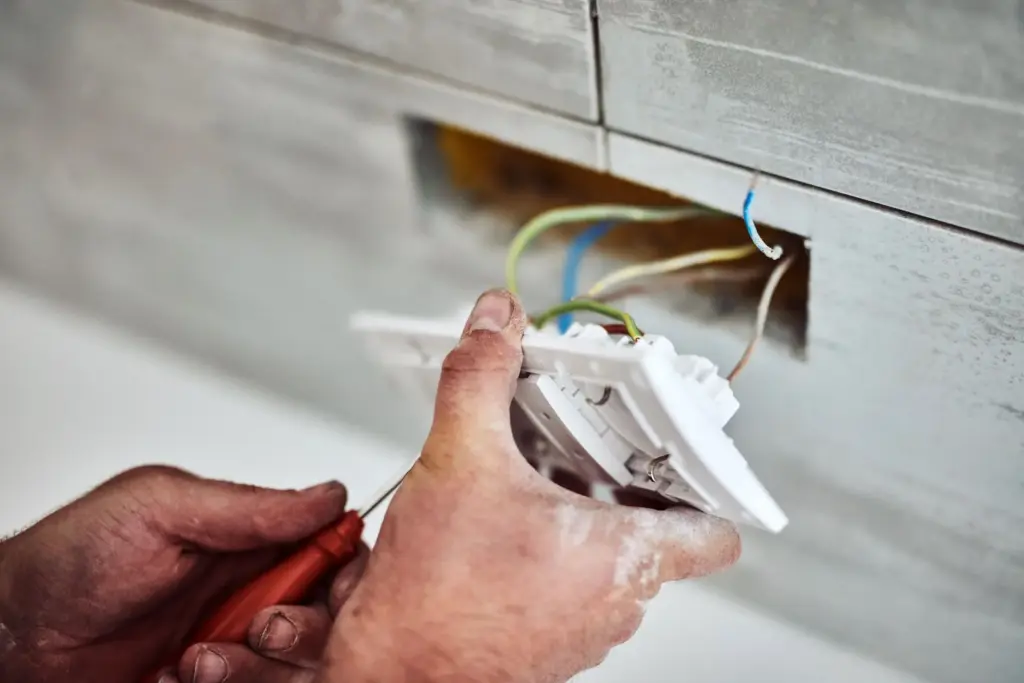
Every EV charger install starts with a load calculation. Brandon looks at your panel’s rated capacity, what’s already on it, and whether a 40, 48, or 60 amp circuit for the charger fits without overloading the service. In a lot of Lynn homes it doesn’t fit, and the honest answer is a panel upgrade first.
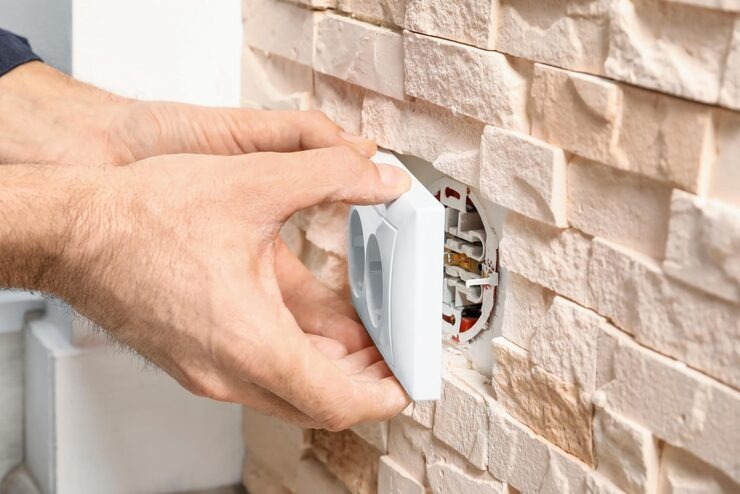
Where the panel has room, the job is a dedicated 240V circuit run in properly sized copper (typically 6 AWG for a 50 amp breaker, sometimes 8 AWG depending on the charger’s amp draw and run length) from the panel to a hardwired connection point or a NEMA 14-50 outlet, depending on what your charger manufacturer specifies. We mount and level the charger, torque every connection to spec, and label the breaker.
Power to your unit is off only for the portion of the job where we’re working inside the panel, usually under an hour. If the job requires a full service upgrade, National Grid has to schedule their end of the work, which is outside our control and typically the longer lead time in the whole project, not the electrical work itself.
What It Costs
A straightforward dedicated circuit to an existing panel with available capacity runs {PRICE_LOW} to {PRICE_HIGH}. That range moves based on wire run length, whether we’re going through finished walls or an accessible basement, and which charger you’re installing. If your panel is undersized, or it’s a Federal Pacific or Zinsco unit we’d recommend replacing regardless, a panel upgrade adds to that number but it’s the difference between a charger that works safely for years and one that trips or, worse, doesn’t trip when it should.
We give you the number after Brandon sees the panel, not before. Anyone quoting a flat EV charger price over the phone in a building stock like Lynn’s hasn’t looked at your service yet.
How Long It Takes
A dedicated circuit install with an available panel is usually a half day of on-site work. A panel upgrade alongside it adds a full day for our part, plus whatever National Grid’s own scheduling adds on their end for service-side work like a meter or drop upgrade. We tell you upfront which category your job falls into once we’ve seen the panel.
Permits and Inspection
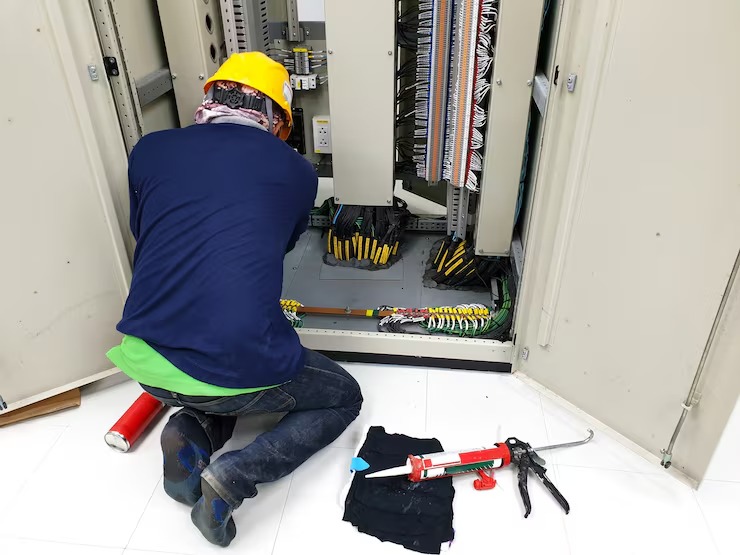
EV charger circuits and any panel work require a permit in Massachusetts, and the finished work gets inspected by the local electrical inspector before it’s signed off. We pull the permit, we’re there for the inspection, and the wiring diagram and breaker labeling has to hold up to someone else’s eyes, not just ours. That’s the difference between hiring a licensed electrician and hiring someone off a classifieds ad who’ll do it for cash and skip the paperwork. If a fire ever starts near unpermitted electrical work, insurance companies look for that permit record first.
[EXTERNAL LINK: Massachusetts Electrical Code (527 CMR 12) reference for homeowners wanting the underlying code language on dedicated EV circuits]
Common Questions
Can my Lynn three-decker handle an EV charger on the existing panel?
Sometimes. It depends on the panel's rated amperage and what's already drawing off it. A lot of Lynn triple-deckers are still on 60 or 100 amp service, which often doesn't leave room for a 40-60 amp EV circuit without a panel upgrade first.
Do I need a permit for a home EV charger in Massachusetts?
Yes. Any new dedicated circuit and related panel work needs a permit and a follow-up inspection by the local electrical inspector. This applies whether you're adding the circuit alone or pairing it with a panel upgrade.
What size breaker does an EV charger need?
It depends on the charger. Most Level 2 home chargers call for a 40, 50, or 60 amp dedicated circuit, and the wire gauge has to match, typically 8 AWG or 6 AWG copper. Brandon sizes it to your specific charger's manufacturer spec, not a generic number.
I have a Federal Pacific panel. Can you still install a charger?
How long is my power off during the install?
Reach Out for EV Charger Installation
If you’re in Lynn and looking at a new EV, or you already bought one and you’re tired of hunting for a public charger, call {PHONE}. We’ll look at your panel, give you a real number, and get the permit moving so the install isn’t held up on paperwork.
Contact information
Talk to Brandon
Brandon is the electrician on our team. He left union work to run the electrical side of a two-brother shop, and EV charger installs are a big part of what he’s doing across Lynn right now. He’ll walk your panel with you, tell you straight whether it can take the new circuit or needs an upgrade first, and explain the wire gauge and breaker size he’s specifying and why.