
Ceiling Fan and Light Fixture Installation in Salem, MA
A lot of Salem ceilings were plastered before 1940, framed for a pull-chain fixture and nothing else. Now you want a fan with a light kit and a wall dimmer in a room that was never wired for either, and the box up there is a shallow octagon that was never rated to carry the weight.
Why Salem Homes Need This
Salem’s housing stock skews old, and the electrical behind the plaster is often older than the paint job suggests. We still find knob and tube wiring in homes near the historic district, cloth-insulated cable in two and three family conversions off Lafayette and Derby Street, and plenty of 60 and 100 amp services that were sized for a stove and a few lamps, not a ceiling fan with a remote receiver and a light kit pulling extra draw.
Add a fan to a circuit that already feeds half a floor and you can trip a breaker every time the AC window unit kicks on too. And the box matters as much as the wire. A lot of these ceilings only have a flat pancake box screwed into lath, rated for a light fixture and nothing that spins. Put a fan on that box without swapping it for a proper fan-rated box and brace, and you get a wobble that loosens the mount over time and eventually cracks the plaster around it.
What the Work Involves
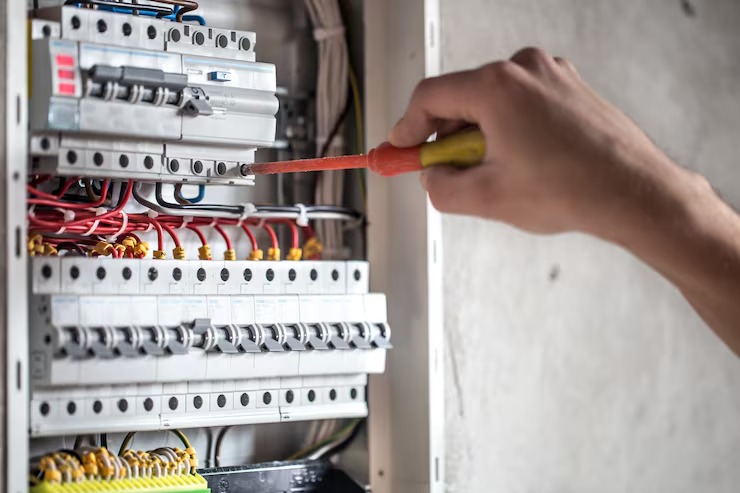
Brandon shuts off the circuit at the panel before anything comes down, not just the switch at the wall. On most jobs the power is out for that one circuit for an hour or two, not the whole house.
The existing box comes out. If it is not a fan-rated box, listed for the weight and rotational load, it gets replaced with one that is, braced to a joist or with an expandable bar hanger between joists if there is no framing to land on. If the wiring feeding it is old cloth-insulated cable or knob and tube, that run typically gets extended or replaced back to a sound splice point rather than tied directly into brittle insulation.
From there it is a straight run: mount the bracket, hang the fan, wire the fan and light kit to the switch leg, and if you want separate control for the fan speed and the light, that means either a dual switch, a fan-and-light remote kit, or in some cases pulling a second conductor if the existing cable is only two-wire with ground. Once it is up, Brandon checks balance, tests both speeds and the light circuit, and confirms the breaker holds under load before he leaves.
What It Costs
A straight swap, existing fan-rated box, same location, standard fan and switch, runs {PRICE_LOW} to {PRICE_HIGH}. What moves that number: whether the existing box needs to be replaced or braced, whether the wiring behind it is old enough to need extending or replacing, whether you want a separate switch or remote for fan speed versus light, and how many fixtures you are doing in one visit. A single bedroom fan is a different job than replacing three fixtures across a second-floor addition. We give you the number for your ceiling, not a phone quote for a generic one.
How Long It Takes
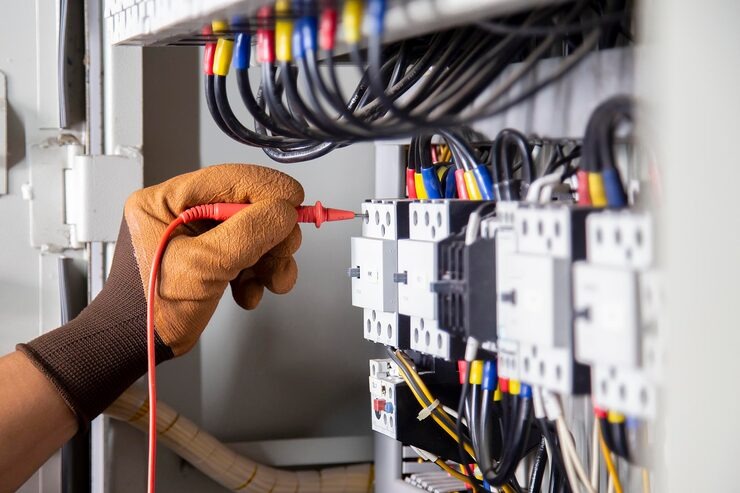
One fan or fixture, existing wiring in decent shape, is usually a single visit measured in a couple of hours. Multiple fixtures in one trip, or a ceiling where the box and the wire both need work, run longer, sometimes into a full day if we are also extending circuits or adding switches. Brandon tells you which situation you are in before he starts pulling anything down, not after.
Permits and Inspection
Fixture and fan installation that involves new wiring, box replacement, or new switching is electrical work under Massachusetts code, and it is permitted and inspected like any other electrical job. That is the difference between a licensed electrician and a handyman with a drill. A permit means the work gets checked against code before the walls are closed up, not just eyeballed by whoever swung by. We pull the permit and schedule the inspection as part of the job. [EXTERNAL LINK: Massachusetts Board of State Examiners of Electricians licensing and permit requirements, since it shows homeowners why licensed, inspected work matters]
Common Questions
Can you install a ceiling fan where there is only a light fixture now?
Usually yes. The main question is whether the existing box is fan-rated and properly braced. If it is not, we replace it as part of the job so the fan is actually supported, not just screwed into plaster.
Do I need a permit just to swap a light fixture for a fan?
If it involves any new wiring, a new box, or new switching, yes, it falls under electrical permitting in Massachusetts. A straight one-for-one swap on sound existing wiring may not need one, but Brandon will tell you which category your job falls into before starting.
My house still has knob and tube wiring. Can you still install a fan?
Yes, but we do not wire a new fan directly into old knob and tube or brittle cloth insulation. We extend or replace that run back to a sound point first, then connect the fixture, so it is done to code and safe long-term.
Can I get separate switches for the fan and the light?
Will my breaker trip once the fan is added?
Reach Out for Ceiling Fan and Light Fixture Installation
Call {PHONE} to get on the schedule. Tell us the room, whether you already own the fan or fixture, and whether the ceiling has a working fixture there now or nothing at all. That is enough for us to tell you roughly what you are looking at before Brandon ever sets foot on the ladder.
Contact information
Reach Out for Ceiling Fan and Light Fixture Installation
We work across Salem and the rest of the North Shore, and this is the kind of job that often turns up a second issue worth knowing about, an undersized panel, an ungrounded circuit, wiring that has outlived its insulation. We will tell you what we see. What you do with that information is up to you.
Talk to Brandon
Brandon is the electrician half of this company. He left union work to run the electrical side here, and ceiling fans and fixtures are some of the most common calls he gets, especially in homes where nobody has touched the wiring since the place was converted to two or three units. If you are not sure whether your box can carry a fan or what your panel can handle, that is exactly the kind of question worth asking before you buy the fixture.