
Ceiling Fan and Light Fixture Installation in Ipswich, MA
A lot of Ipswich homes were built before anyone imagined a house needing more than a few lights and an outlet per room. Some go back to the First Period, plenty more are older colonials wired sometime in the last century and never touched since. When a homeowner here wants a ceiling fan in the bedroom or a real light fixture over the dining table instead of a bare box, that box is often the first thing that has to change.
Why Ipswich Homes Need This
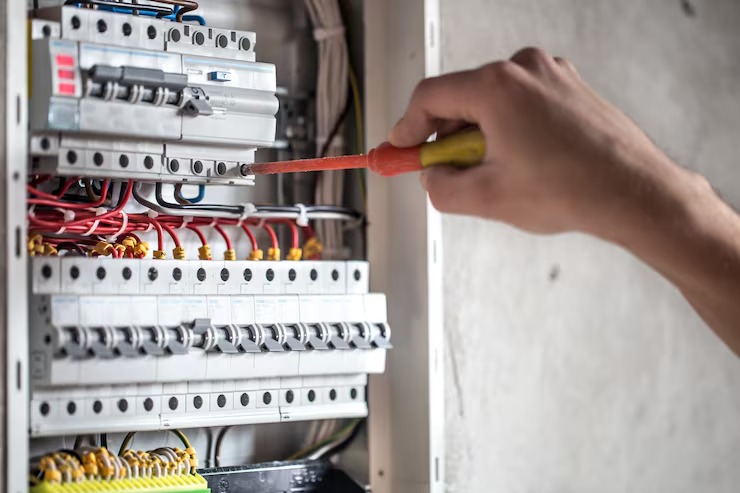
Ipswich has one of the largest concentrations of First Period and early colonial housing on the North Shore, and it shows in the wiring. We still find knob and tube behind plaster ceilings, cloth-insulated cable from mid-century rewires, and 60 amp services that were adequate in 1965 and are not now. Some houses still have a Federal Pacific Stab-Lok panel or a Zinsco panel in the basement, both of which have known breaker failure issues and get flagged the moment we open the cover.
Add in the fact that a lot of Ipswich is on well and septic, with well pumps and sometimes a septic effluent pump already drawing off the panel, and you can see why a homeowner adding a ceiling fan circuit sometimes finds out the real project is the panel behind it. Long rural outages on this part of the North Shore also push people toward whole-house or portable generator setups, which is another load that has to be accounted for before we add fixtures.
What the Work Involves
A straightforward fan or fixture swap on an existing circuit, with a switch already in place, is usually a same-visit job. Brandon shuts off the circuit at the panel, confirms it is dead at the box, removes the old fixture, and checks what is actually holding it up. A lot of older Ipswich ceiling boxes were never rated for a fan’s weight and movement, so that box often gets replaced with a fan-rated brace box before anything goes back up.
If the ceiling has no wiring at all, or the existing wire is knob and tube or aluminum, the job changes. That means running new cable, sometimes fishing it through plaster and lath which takes longer than drywall, and possibly adding a switch or a remote/wall control setup. If the circuit is already loaded or the panel is one of the older types mentioned above, we will talk through whether the smarter move is a new dedicated circuit rather than tying onto something already carrying a refrigerator or a well pump.
The utility, National Grid in this part of Ipswich, is only involved if the work requires a change at the meter or service entrance, which a fan or fixture install by itself almost never does. Everything from the panel to the ceiling box is our end.
What It Costs
A simple fan or fixture replacement on an existing circuit with a working switch generally runs {PRICE_LOW} to {PRICE_HIGH}. That range moves based on ceiling height, whether the old box needs to be replaced with a fan-rated one, whether we are fishing new wire through plaster versus drywall, and whether a new switch, dimmer, or remote control gets added. A knob and tube ceiling or a panel that needs attention before we can safely add the circuit will push the number higher, and we will tell you that up front rather than after the fact.
How Long It Takes
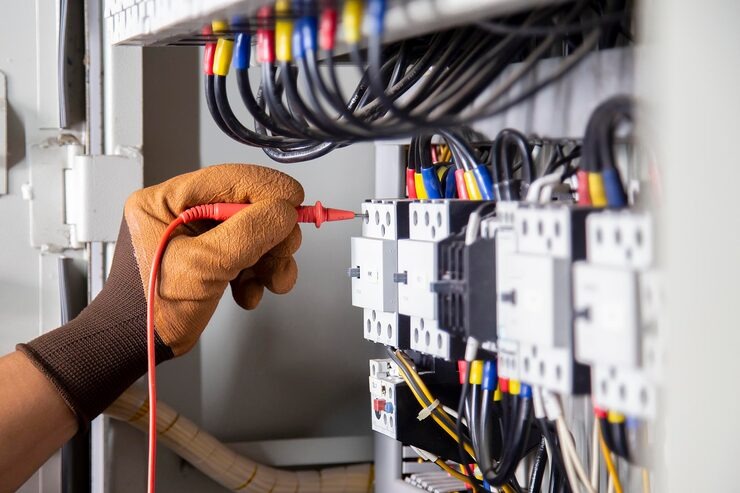
A single fan or fixture swap on existing wiring typically takes an hour to two hours, and the power is only off for that specific circuit while we work, not the whole house. Running new wiring for a fan where none existed, especially through old plaster, can take half a day. If a panel issue turns up mid-job, we will stop, explain what we found, and give you a straight answer on whether it is safe to proceed or needs its own separate visit.
Permits and Inspection
Electrical work in Massachusetts requires a permit and a town inspection, and fan or fixture installation that involves new wiring or a new circuit is no exception. Ipswich’s inspector reviews the work against the Massachusetts Electrical Code, which follows the National Electrical Code with state amendments. Brandon pulls the permit, schedules the inspection, and stands behind the work because his license is on it. That is the real difference between a licensed electrician and someone off a classifieds app working without a permit at all – one of them has to answer to an inspector, and one of them does not. [EXTERNAL LINK: Massachusetts electrical code and permit information from the state Board of Fire Prevention Regulations, useful for homeowners who want to see the actual requirement]
Common Questions
Can you install a ceiling fan where there is currently just a light fixture?
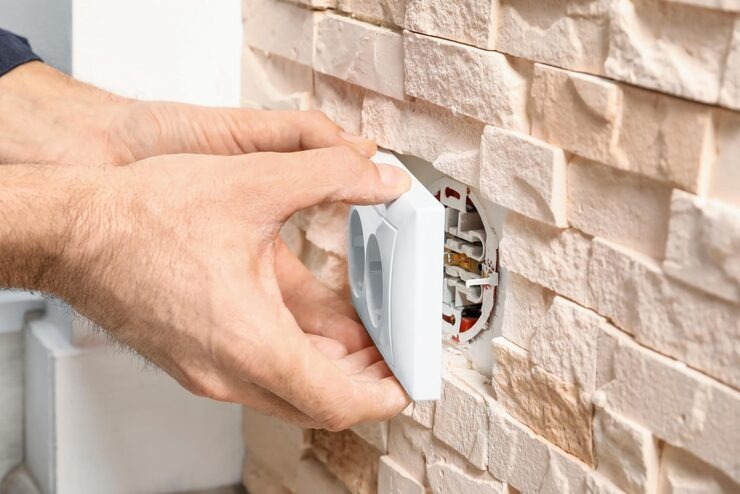
Usually, yes. The key question is whether the existing ceiling box is fan-rated. If it is not, we replace it with a brace box designed to handle a fan's weight and movement before the fan goes up.
Do I need a permit just for a ceiling fan?
If it is a straight swap on an existing fan-rated setup, sometimes not. If we are adding new wiring, a new circuit, or a new switch location, yes, Massachusetts requires a permit and inspection for that work.
My house still has knob and tube wiring. Can you still add a fan?
Yes, but we will not tie a new fan onto old knob and tube. We run new wiring for the fan itself and talk with you about whether it makes sense to address more of the knob and tube in that room while we are already in the ceiling.
What if my panel is a Federal Pacific or Zinsco brand?
Do you install smart or remote-control ceiling fans?
Reach Out for Ceiling Fan and Light Fixture Installation
Whether it is one bedroom fan or a full pass through the house replacing old fixtures, we will look at what you have, tell you plainly what it needs, and get it scheduled. Call {PHONE} to talk through your Ipswich home and get a time on the calendar.
Contact information
Reach Out for Ceiling Fan and Light Fixture Installation
We work across Ipswich and the rest of the North Shore, and we treat older housing stock the way it needs to be treated – carefully, with the panel and the wiring behind the wall as much a part of the job as the fixture you actually see.
Talk to Brandon
Brandon is the electrician half of Belfiore. He looks at the whole circuit, not just the fixture, because in a house Ipswich's age the fixture is rarely the only thing that matters. If you already know your panel is older or you have had breakers trip for no clear reason, mention it when you call. It changes how we plan the visit and it saves you a second trip.