
Ceiling Fan and Light Fixture Installation in Beverly, MA
A lot of Beverly’s housing stock went up before central air was ever a thought, back when a ceiling fixture meant one pull-chain bulb and nothing else. Now homeowners want a fan with a light kit and a remote in a room that was never framed with a fan-rated box, on wiring that was sized for a lot less than what’s asked of it today.
Ceiling Fan and Light Fixture Installation in Beverly
Swapping a flush-mount fixture for a ceiling fan sounds like a five-minute job. Sometimes it is. More often in Beverly it means opening up a box that was never rated to hold the weight of a fan, running a new switch leg for a fan/light combo, or finding cloth-wrapped conductors behind the plaster that shouldn’t be reused. Brandon handles this the same way whether it’s one fan in a bedroom or a full house of fixture swaps: check the box, check the circuit, check the switch, then do the install.
Why Beverly Homes Need This
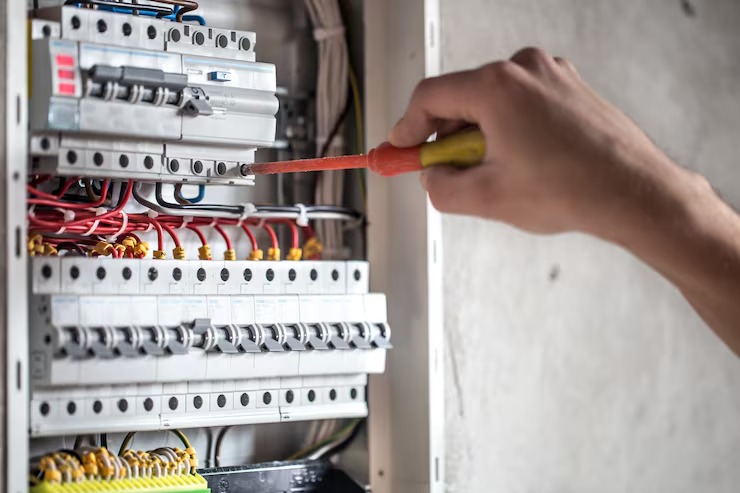
Beverly has a lot of housing from before 1940, plus a good number of two and three family conversions where rooms were split and rewired piecemeal over the decades. That combination shows up as knob and tube segments still live in ceiling runs, cloth-insulated branch wiring that’s brittle at the connections, and services sized at 60 or 100 amps for houses that now run central air, an electric range, and a couple of window units at once. We’ve also pulled our share of Federal Pacific and Zinsco panels out of Beverly basements – panels that were sold as standard equipment decades ago and are now known for breakers that don’t trip when they should.
None of that is a reason to panic about a ceiling fan. It’s a reason to have someone qualified look at the box and the circuit before the fan goes up, not after it starts wobbling or the switch gets warm.
What the Work Involves
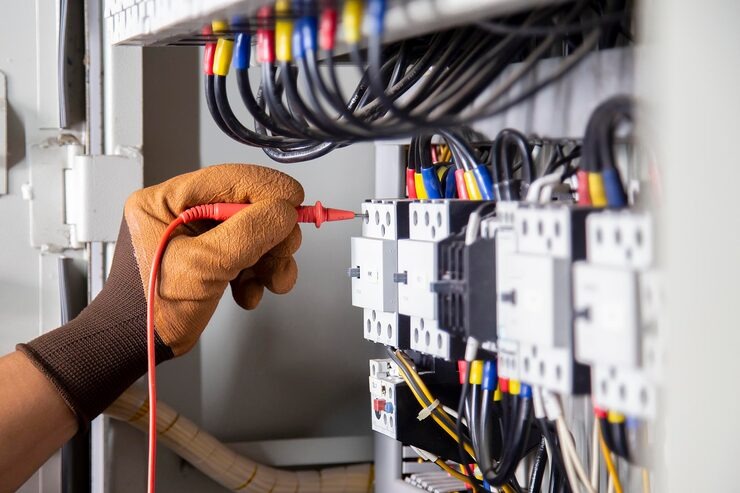
The circuit gets shut off at the panel before anything gets touched – not just the switch flipped off at the wall. Brandon checks whether the existing electrical box is rated for a ceiling fan; most older flush boxes are rated for a light fixture only, not the weight and vibration of a fan running for hours. If it’s not rated, that box gets swapped for a fan-rated box secured to a joist or a fan-rated brace bar.
From there it’s running or reusing the switch leg, connecting the fan’s wiring harness, and mounting the fan itself. If you’re adding a wall control, dimmer, or smart switch instead of a pull chain, that’s a separate run back to the switch box, and Brandon will tell you upfront if the existing wire gauge supports it. Power is typically out for that one circuit only, and only for the hours the work takes – the rest of the house stays live. When multiple fixtures are going in across a house, we sequence circuits so you’re never without power to the whole place at once.
What It Costs
A single ceiling fan installation on an existing, rated box with no rewiring usually runs {PRICE_LOW} to {PRICE_HIGH}. That number moves up when the box needs to be replaced with a fan-rated one, when the switch leg has to be extended or run new, when the fixture is going somewhere with no existing wiring at all, or when a fan gets added to a room lit only by lamps right now. Multiple fixtures in one visit typically cost less per fixture than separate trips. Brandon gives you the number after he’s seen the box and the wire, not before.
How Long It Takes
A straightforward fan swap on a rated box is usually a two to three hour job. Add a new switch leg, a fan-rated box replacement, or a fixture going into a ceiling with no existing power, and you’re looking at closer to half a day. A house full of fixtures gets scheduled as its own job, often split across a day depending on how many rooms and how much of the existing wiring needs attention.
Common Questions
Can any electrician install a ceiling fan, or does it need to be licensed work?
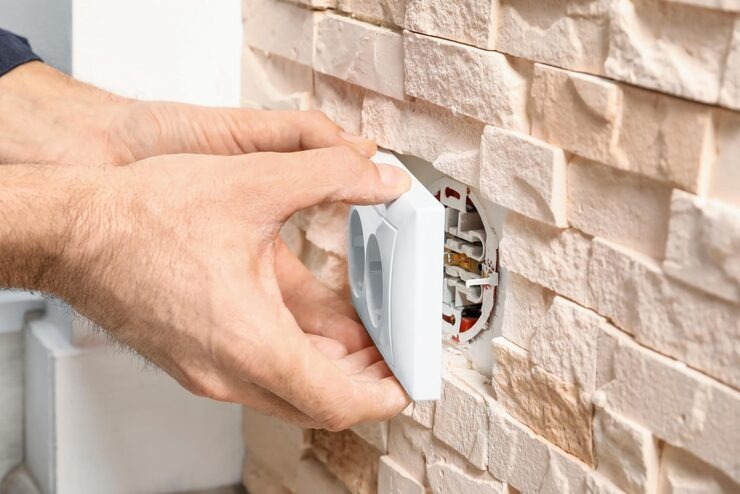
In Massachusetts, electrical work including new circuits, box replacements, and switch legs has to be done by a licensed electrician and is subject to permit and inspection. A simple swap onto an existing rated box and circuit is the kind of job some homeowners attempt themselves, but if the box isn't rated for a fan or the wiring is old cloth or knob and tube, that's licensed work.
How do I know if my existing electrical box can hold a ceiling fan?
Most older flush-mount boxes were installed for a light fixture only and aren't rated for the weight and vibration of a running fan. Brandon checks the box rating and how it's secured to the framing before any fan goes up. If it's not rated, we replace it with a fan-rated box or brace bar as part of the job.
Will installing a ceiling fan affect the rest of my house's power?
No. We shut off power at the panel to the specific circuit being worked on, not the whole house. The rest of your Beverly home stays live while the fan or fixture is installed.
What if my house still has knob and tube wiring near the fixture?
Do I need a permit just for a ceiling fan swap?
Permits and Inspection
Electrical work in Massachusetts requires a permit pulled by a licensed electrician, and ceiling fan and fixture installations that involve new wiring or box replacement fall under that rule. Brandon pulls the permit, does the work to the standards in the [EXTERNAL LINK: Massachusetts electrical code page, to show the work is done to the state standard, not a shortcut], and schedules the inspection. That’s the difference between a licensed electrician and someone doing side work out of a truck – the permit and the inspection are on record, not just a handshake.
Contact information
Reach Out for Ceiling Fan and Light Fixture Installation
Call {PHONE} to get a ceiling fan or light fixture installation scheduled in Beverly. Tell us the room, whether there’s an existing fixture there now, and whether you want a wall switch, pull chain, or remote control, and we’ll give you a straight answer on what it involves before anyone shows up.
Talk to Brandon
Brandon left union electrical work to run the electrical side of his family's company alongside his twin brother Chris, who runs the plumbing and heating side. If you've got a room in your Beverly house that's ready for a fan, or a fixture that's been buzzing or dimming when the AC kicks on, that's worth a look before you buy anything off a shelf. He'll tell you straight whether it's a simple swap or something that needs the box and circuit addressed first.