
Ceiling Fan and Light Fixture Installation in Andover, MA
Andover’s historic center streets were wired for a couple of lamps and a radio, not a bedroom fan on a dimmer and a pair of recessed lights over the kitchen island. The town’s mix of colonial-era homes near the common, sprawling post-war capes, and newer construction on the west side each carry their own wiring quirks, and none of them were built expecting the ceiling load people want to add today.
Why Andover Homes Need This
Andover splits into a few distinct housing generations, and each one shows up differently on a service call. The older homes closer to the center sometimes still have knob and tube segments in the ceiling cavity, or cloth-insulated wiring from a mid-century renovation that was fine for a single bulb fixture and nothing else. Some of the post-war capes and colonials were built or later fed by a 60 amp service that was adequate in 1955 and is tight now with central air, a range, and everyone’s electronics running at once. A handful of homes in this price bracket still have Federal Pacific or Zinsco panels, both of which have documented breaker failure issues and get flagged during any real inspection.
None of that means you cannot add a fan or swap a fixture. It means the box in the ceiling, the wire feeding it, and the switch leg all need to be checked before anyone screws a fan bracket into the joist. Andover’s remodel activity, kitchens, primary suites, finished basements, is exactly the kind of work that turns up these older systems, because a contractor opens a ceiling for a new layout and finds wiring nobody planned around.
What the Work Involves
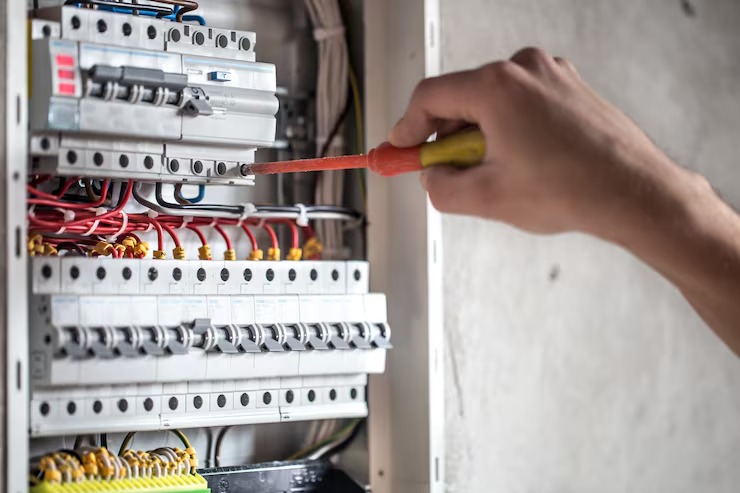
A straight fixture swap on a box that is already rated for it is quick. A ceiling fan is heavier and moves air, which means vibration, so it needs a fan-rated box, not a standard round light box. If the existing box is not fan-rated, Brandon replaces it, which usually means accessing it from the ceiling below or the attic above, depending on the floor.
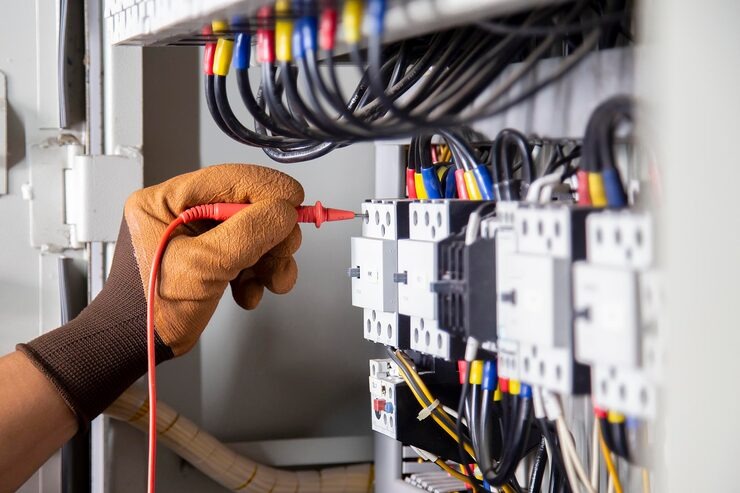
Power to that circuit gets shut off at the panel before anything is touched, and it stays off until the connections are made and tested. For a single fixture or fan on an existing circuit, that is typically under an hour of dead time. If the wire itself needs replacing, either because it is undersized, cloth-insulated, or shows heat damage at the connection, that is a separate conversation and a bigger job.
If you are adding a switch, a dimmer, or separate controls for a fan and a light kit, that means running a switch leg where one may not exist, which is wall or ceiling work depending on the house. The utility is not involved in any of this unless the job requires a panel or service change. This stays inside the house, on your existing electrical service.
What It Costs
A single ceiling fan or fixture install on a sound, already fan-rated box runs {PRICE_LOW} to {PRICE_HIGH} in most cases. What moves that number: whether the existing box needs to be replaced with a fan-rated one, whether a new switch leg has to be run, ceiling height and attic access, and whether the wiring behind the box turns out to be older cloth or knob and tube that needs to be addressed rather than worked around. Multiple fixtures in one visit typically cost less per fixture than one at a time, since the panel shutoff and travel only happen once.
Brandon gives you the number after he sees the box and the attic access, not before. No one guesses at this over the phone and holds you to it.
How Long It Takes
Most single fan or fixture installs are a half-day visit, including the time the circuit is shut off. Multiple fixtures in the same house usually still finish in one day. If a box has to be replaced or a switch leg run through a finished ceiling, plan on a full day and possibly a return visit if drywall patching is needed after. Older wiring that needs to be addressed rather than just worked around adds time, since that is effectively a small remodel task, not a fixture swap.
Permits and Inspection
Electrical work in Massachusetts is permitted and inspected, including fixture and fan installs that involve new wiring, a new box, or a new switch leg. A simple direct swap onto existing, code-compliant wiring may not require a separate permit, but anything involving new circuit work does. Brandon pulls the permit when one is required and the town inspector signs off before the walls are closed up. This is the difference between a licensed electrician and someone working off a ladder with a drill and no accountability if the connection fails behind your ceiling later. [EXTERNAL LINK: Massachusetts Board of State Examiners of Electricians, for homeowners who want to verify licensing requirements themselves]
Common Questions
Can I just swap a fixture myself and skip an electrician?
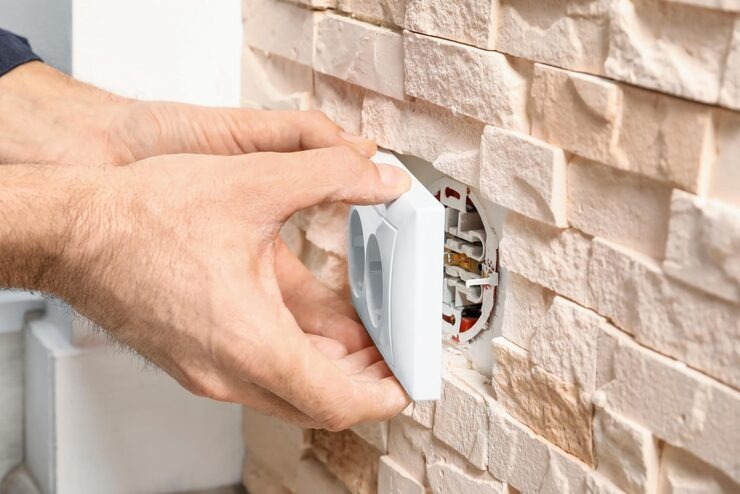
You can if it is a direct swap onto a modern, correctly wired box with no changes to the wiring. Once you add a fan, change a switch, or the box is old, cloth-insulated wiring or knob and tube is involved, it needs a licensed electrician and a permit.
Do I need a permit just to install a ceiling fan?
If it is a straight swap onto existing, sound wiring and box, sometimes not. If the box needs to be replaced with a fan-rated one or new wiring is run, yes, and Brandon pulls it.
How do I know if my Andover home has knob and tube or an old panel?
If your house was built before the 1960s and hasn't had a full electrical update, it is worth having it checked. Federal Pacific and Zinsco panels are recognizable by brand name on the panel door, and Brandon can tell you on sight.
Can you install multiple fans or fixtures in one visit?
How far out does Belfiore schedule for Andover?
Reach Out for Ceiling Fan and Light Fixture Installation
Andover is on the western edge of the area Belfiore covers out of Salem, so a fixture install here usually gets scheduled rather than same-day. That is a fair trade for getting a licensed electrician who pulls the permit and checks the wiring instead of someone who shows up fast and skips both. Call {PHONE} to get a visit on the schedule.
Contact information
Reach Out for Ceiling Fan and Light Fixture Installation
Whether it is one fan in a primary bedroom or a full set of new fixtures after a remodel, the same rule applies: check the box and the wire before anything gets hung. That is what keeps a $150 fixture from becoming a ceiling repair six months later.
Talk to Brandon
Brandon is the licensed electrician at Belfiore. He looks at the box, the attic or ceiling access, and the panel before he quotes anything, because guessing on an older Andover home is how a simple fixture swap turns into a surprise. If you already know the wiring is old or the panel is a Federal Pacific or Zinsco, tell him up front. It changes how he plans the visit.